Tag: AACC

  • Bay grass at Baygrass: The AACC Environmental Center jams at music festival

    Bay grass at Baygrass: The AACC Environmental Center jams at music festival

    September’s annual Baygrass Music Festival at Sandy Point State Park has its own distinct rhythm: local oysters and local brews, a crowded beach, and the cascade of Béla Fleck’s banjo cutting through a salty breeze off the Chesapeake. Pair that with standout sets from Little Feat and Sam Bush, and you’ve got a first-rate roots music festival. But Baygrass operates with a deliberate mission baked directly into its organizing slogan: “Every Jam Heals the Bay.”
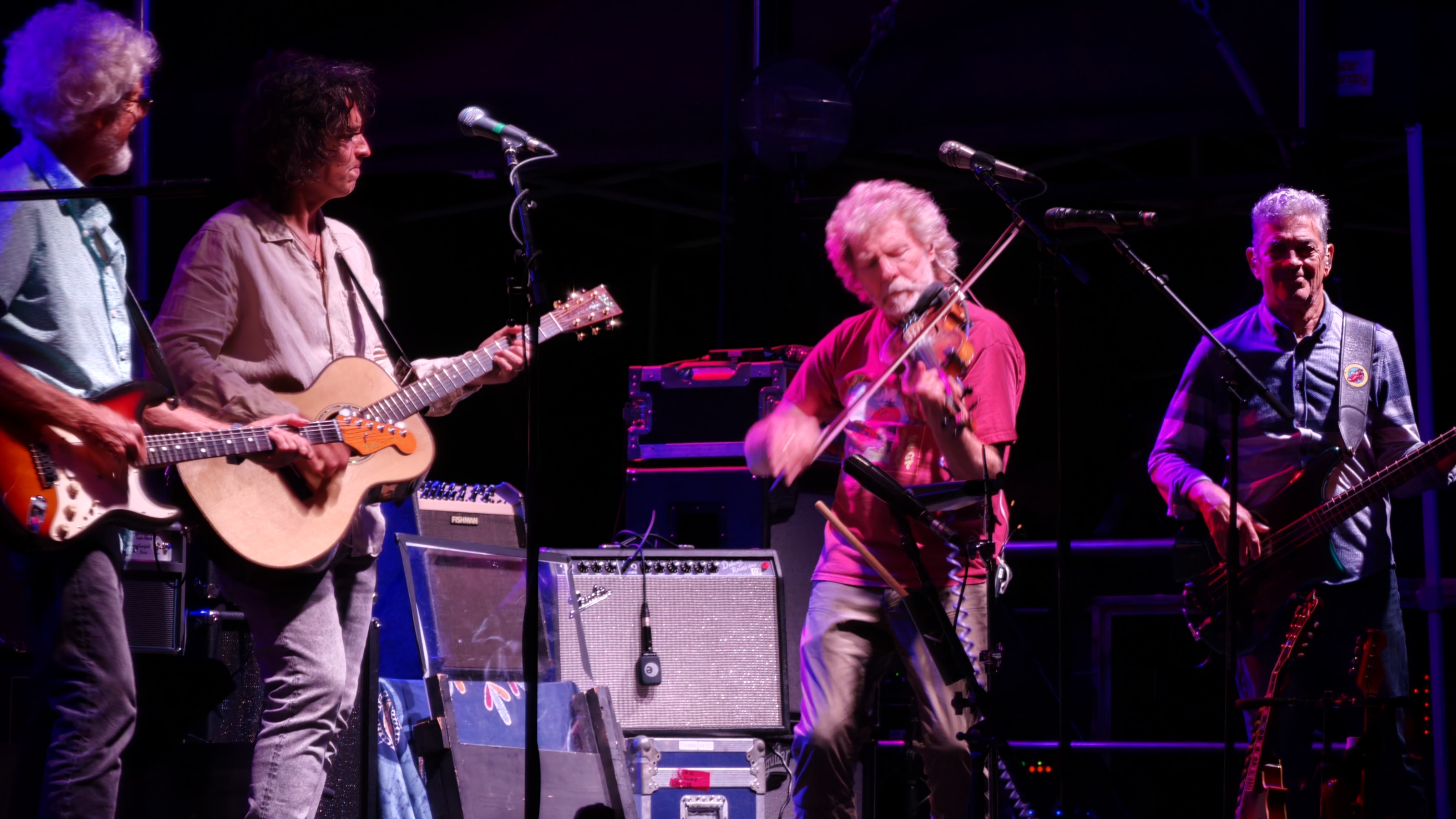
    Festival CEO Ron Peremel describes the model as an “immersive education experience rather than a lecture.” It’s a sharp distinction. Haranguing people about nutrient runoff rarely changes minds; embedding conservation directly into a water’s-edge weekend festival actually does. You don’t need doomsday dogma when you can make estuarine ecology tangible, visible, engaging, and just plain fun.

    That approach defined the Bay Guardian Village, the festival’s dedicated conservation hub. The lineup brought together a formidable regional cohort: the Oyster Recovery Partnership, presenting reef restoration and shell recycling; the Alliance for the Chesapeake Bay, unpacking stormwater remediation and agricultural best practices; the Watershed Stewards Academy; the Severn River Association; the Ocean Conservancy; and even NASA Goddard’s Hydrological Sciences Program, translating satellite Earth observation down to the dynamics of local tidal creeks.

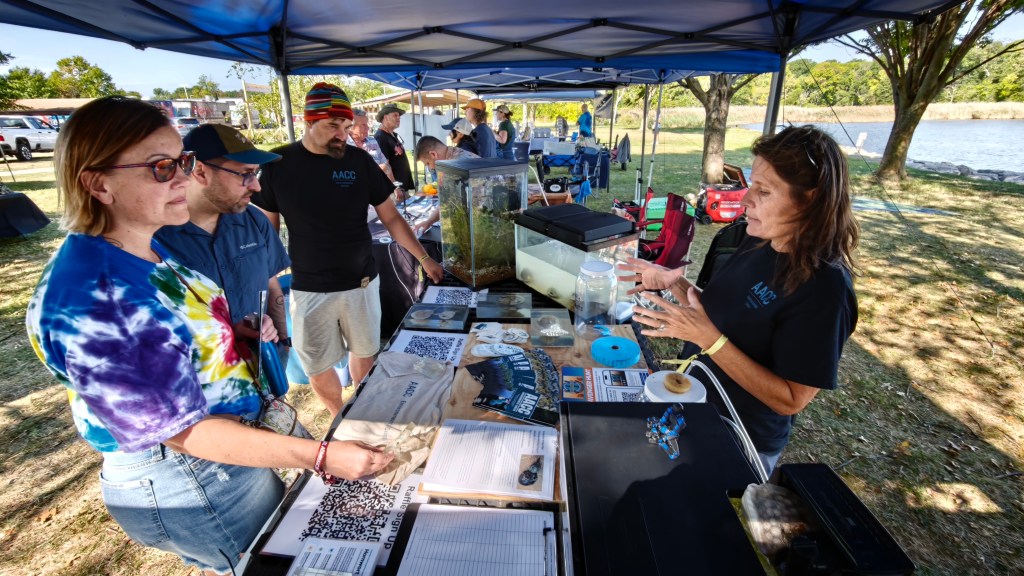
    Positioned square in the middle of that village was the Anne Arundel Community College (AACC) Environmental Center. Rather than leaning on dry handouts, Center staff and students built a working field lab right on the grass.
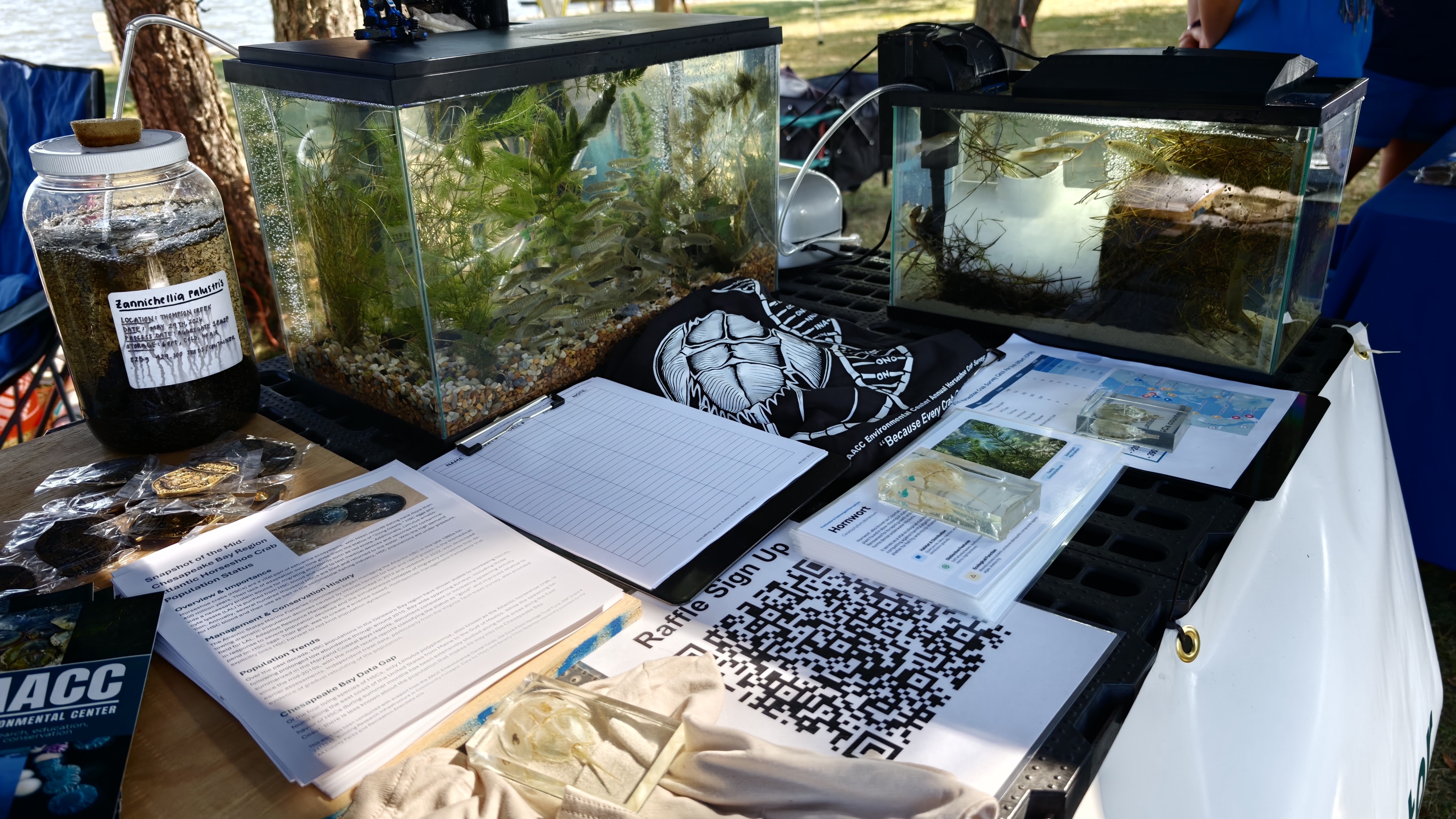
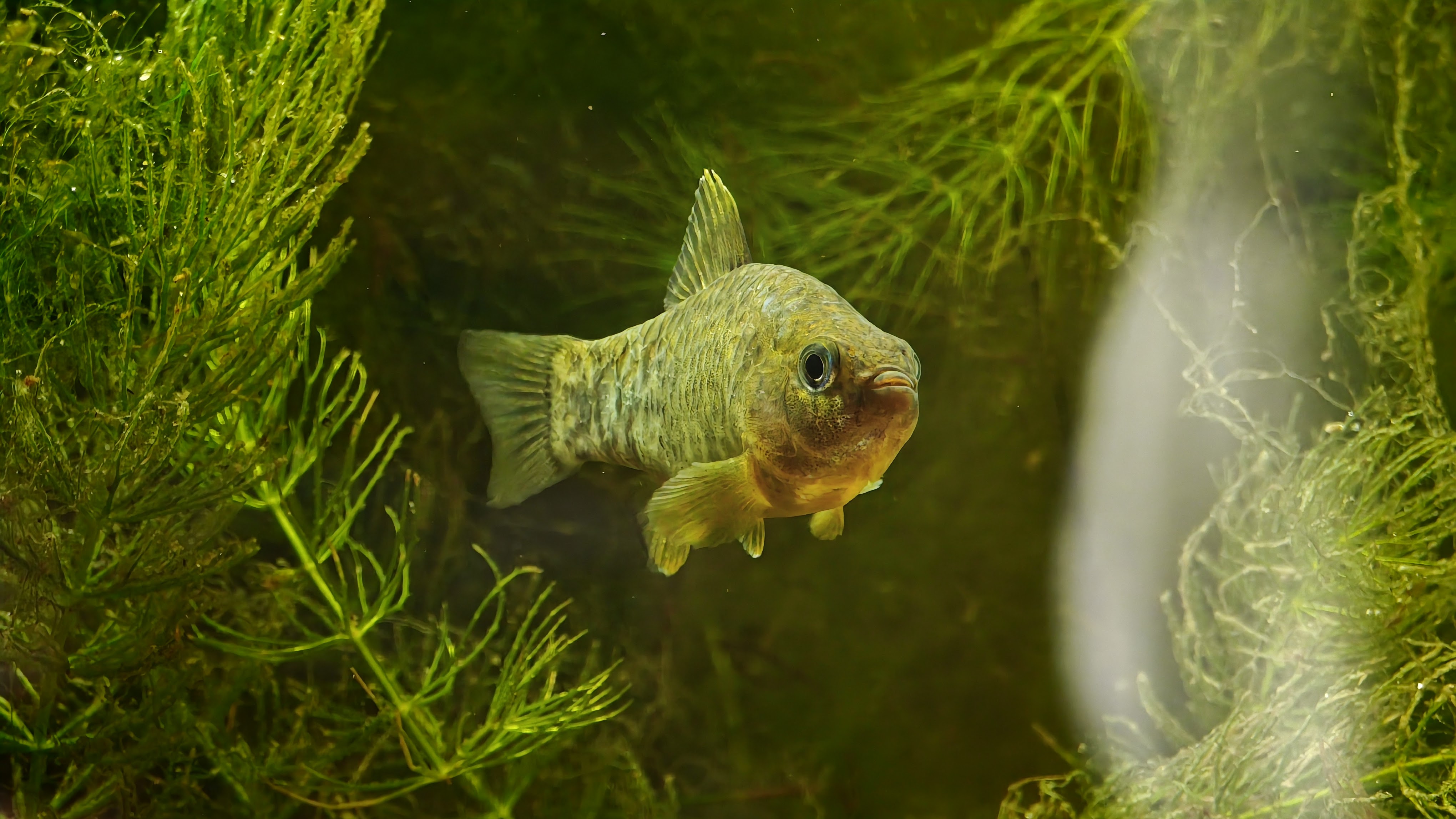
    They anchored the space with four tabletop aquariums, giving visitors an eye-level look at native estuarine species and submerged aquatic vegetation (SAV) — the original “bay grass” — those unglamorous underwater forests that do the heavy lifting of Bay filtration and nursery habitat. Beside the tanks, a monitor looped unvarnished field footage of AACC students hip-deep in tidal muck: pulling water samples, tagging horseshoe crabs, and planting bay grass. Throughout the weekend, Center staff engaged festivalgoers one-on-one, demystifying Operation Clearwater’s bacterial testing and explaining how routine creek monitoring translates directly into public health advisories and swimming safety.
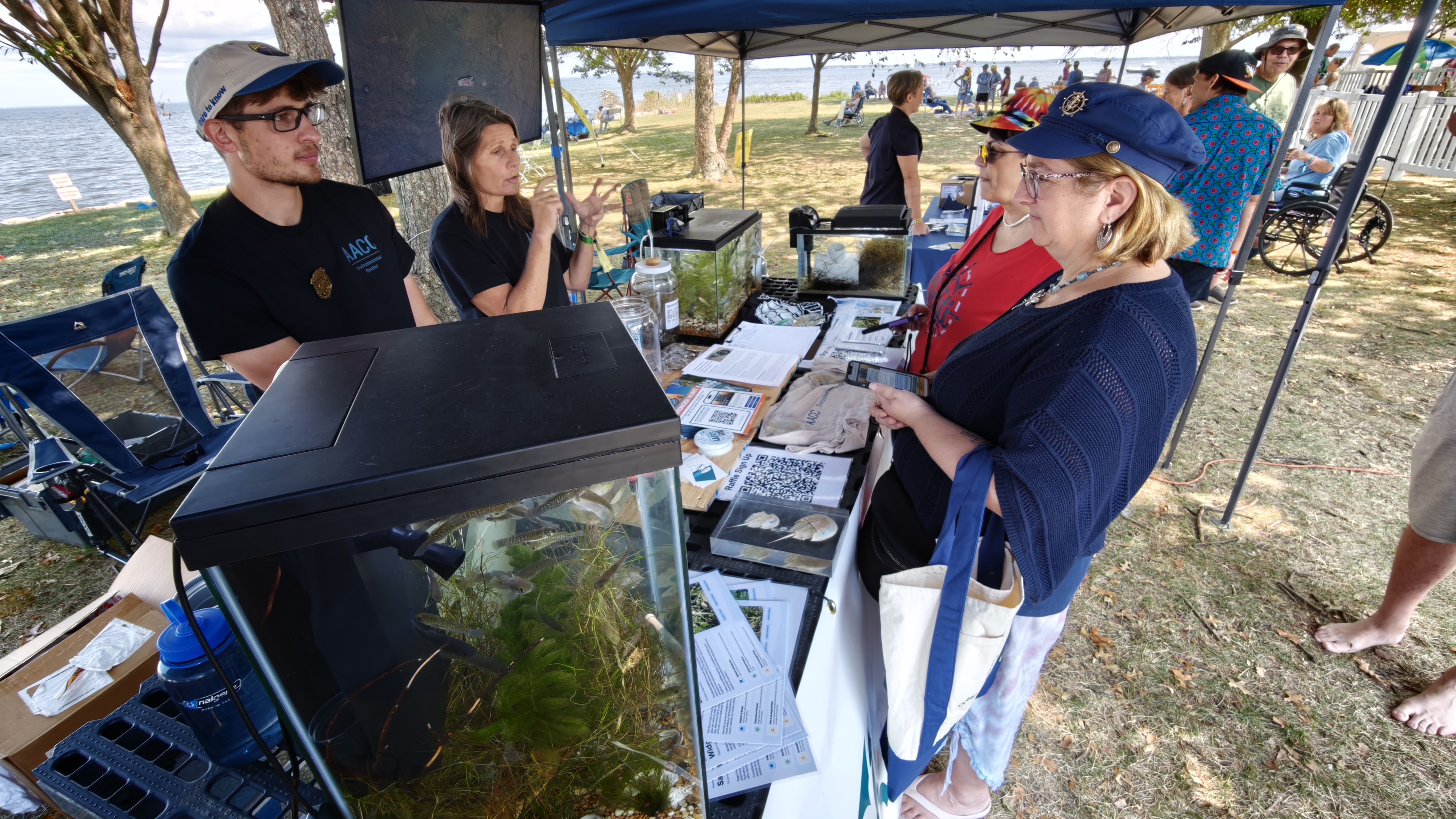
    Applied science doesn’t require pious marketing; it requires solid fieldwork, visible mechanics, and unpretentious public education. By taking academic research out of the lab and dropping it onto the festival lawn, the AACC Environmental Center proved just how engaging hands-on stewardship can be when people connect over a shared love of nature and of our amazing estuary.

    And Béla Fleck!
  • AACC Environmental Center SAV study: Year 2

    AACC Environmental Center SAV study: Year 2

    In 2025, the DF underwrote the launch of a multi-year study with the Environmental Center at Anne Arundel Community College to establish scientific best practices for restoring submerged aquatic vegetation (SAV) in the Chesapeake Bay. Year one set the baseline. Year two was about testing assumptions, refining mechanics, and deliberately pushing our research into tougher waters.

    The project still runs on the same four-phase cycle: site analysis, harvesting, seed processing, and planting. But moving into the second year gave the research team the data and field experience needed to interrogate procedures that have historically relied on brute-force labor and educated guesswork.

    Re-engineering the Jacuzzi

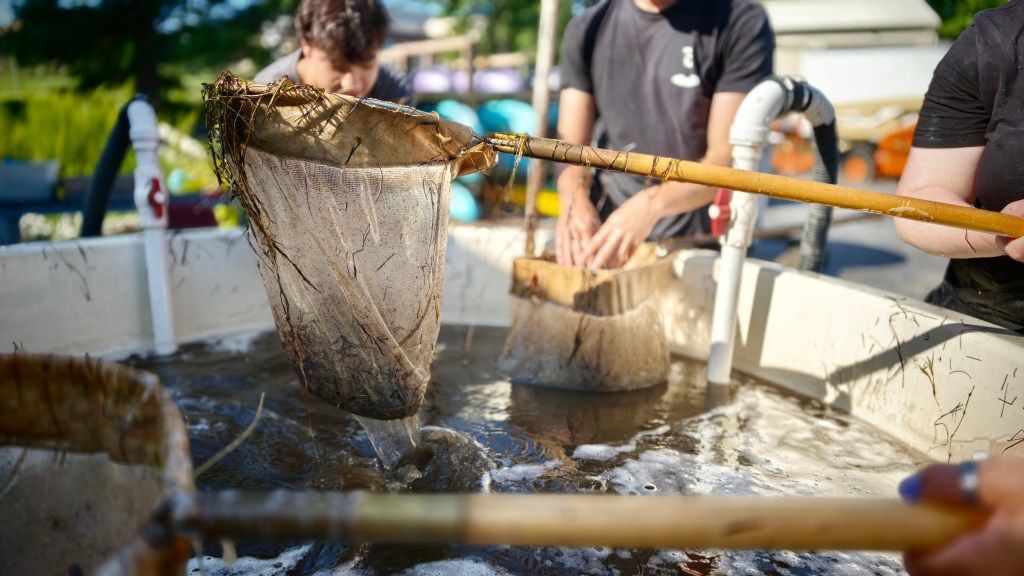
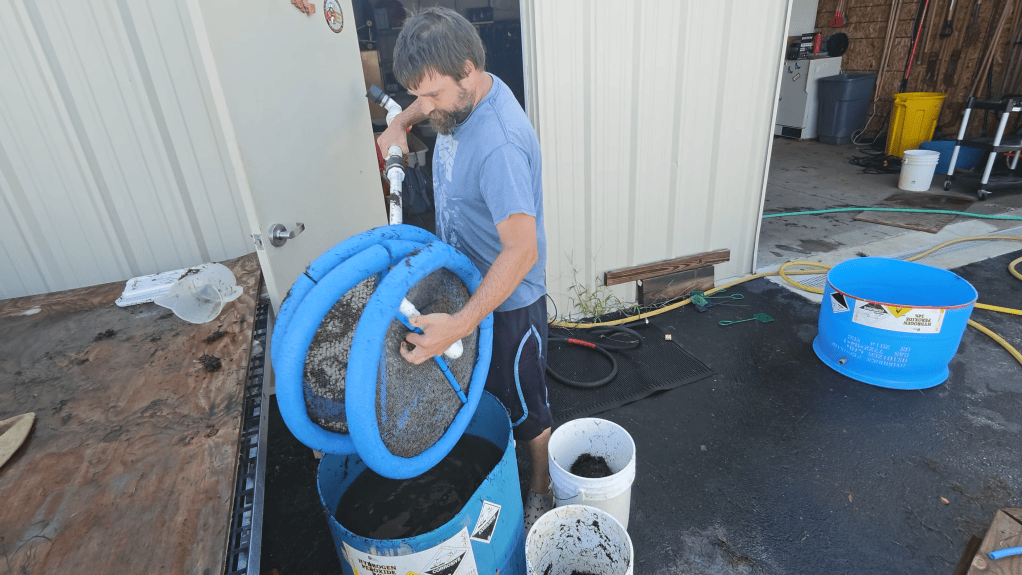
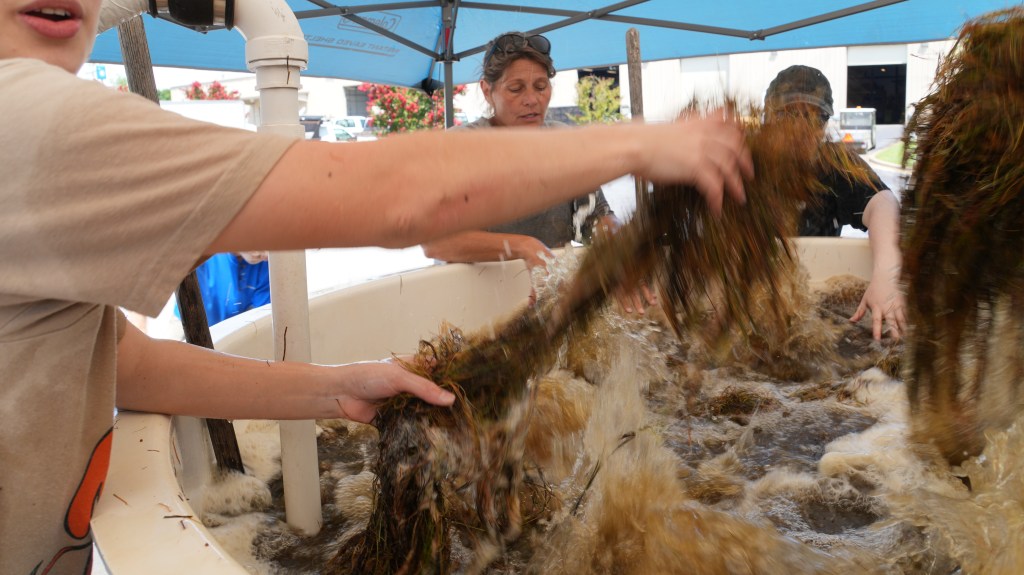
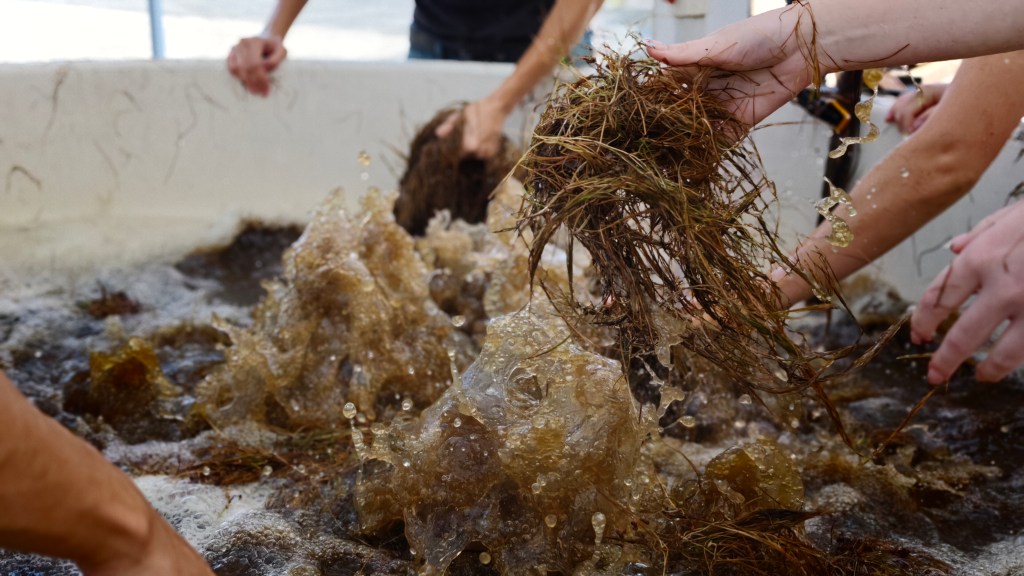
    Phase three—seed processing—remains the most labor-intensive bottleneck in the restoration pipeline. After harvesting, plant matter must sit through a decomposition stage to weaken the physical bonds holding the seeds. From there, it goes into turbulators: custom-aerated tanks (affectionately called the SAV “jacuzzis”) that agitate the biomass to shake ripe seeds free from decaying stems and leaves.

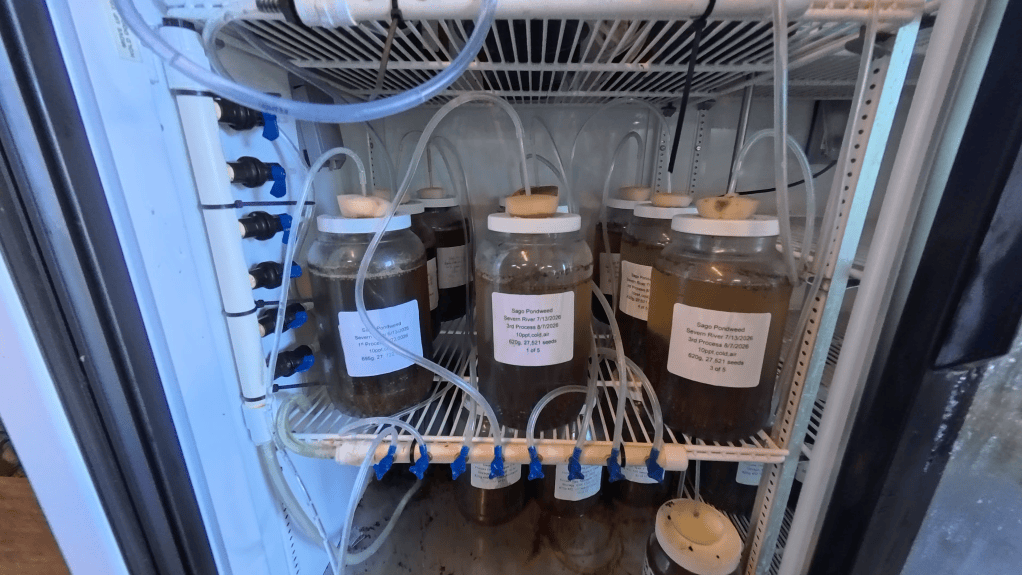
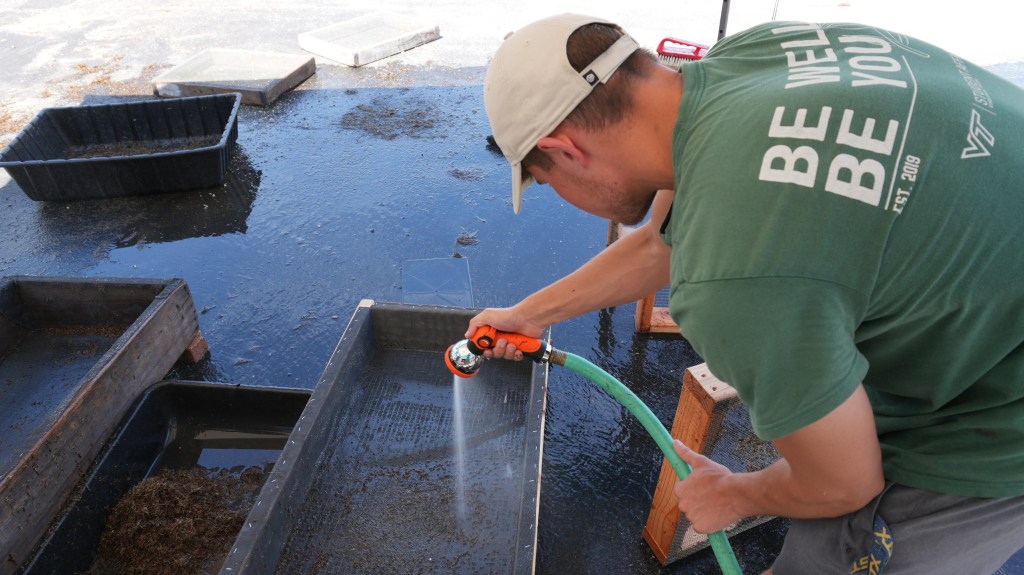
    The problem has always been efficiency. Vegetative matter left behind can rot and ruin an entire batch in cold storage, which means running the SAV through multiple cycles of water and hand sifting.

    This year, EC Lab Manager Jason Burkholder began re-engineering the turbulation hardware. He’s redesigning the tanks’ fluid dynamics and separation mechanics to automate more of that sorting. The prototypes are still in the testing phase, but the early trials are promising: if the new design works as intended, it could cut processing time dramatically while saving substantial amounts of labor and water during the critical cleaning window.

    From Broadcast Seeding to Nursery Trays

    Planting (phase four) also saw a significant shift in thinking. For decades, the standard restoration technique has been traditional hand dispersion. Uptake rates are low.

    To give SAV seeds a fighting chance, researchers are testing submerged and floating nursery trays containing lab-germinated seedlings. By allowing root systems to establish in a controlled setting before deployment, the trays shelter young shoots from wave scour and silt smothering, aiming for substantially higher survival rates once placed in the field.

    Tackling “Black Mayonnaise” and Armored Shorelines

    Site selection in year one focused primarily on establishing baseline conditions: water clarity, depth, sunlight, and wave energy in relatively cooperative shallows. But if SAV restoration is going to make a meaningful difference across heavily developed watersheds, it has to work where conditions are hostile.

    In year two, the study expanded into some of the most ecologically degraded stretches of our local creeks:

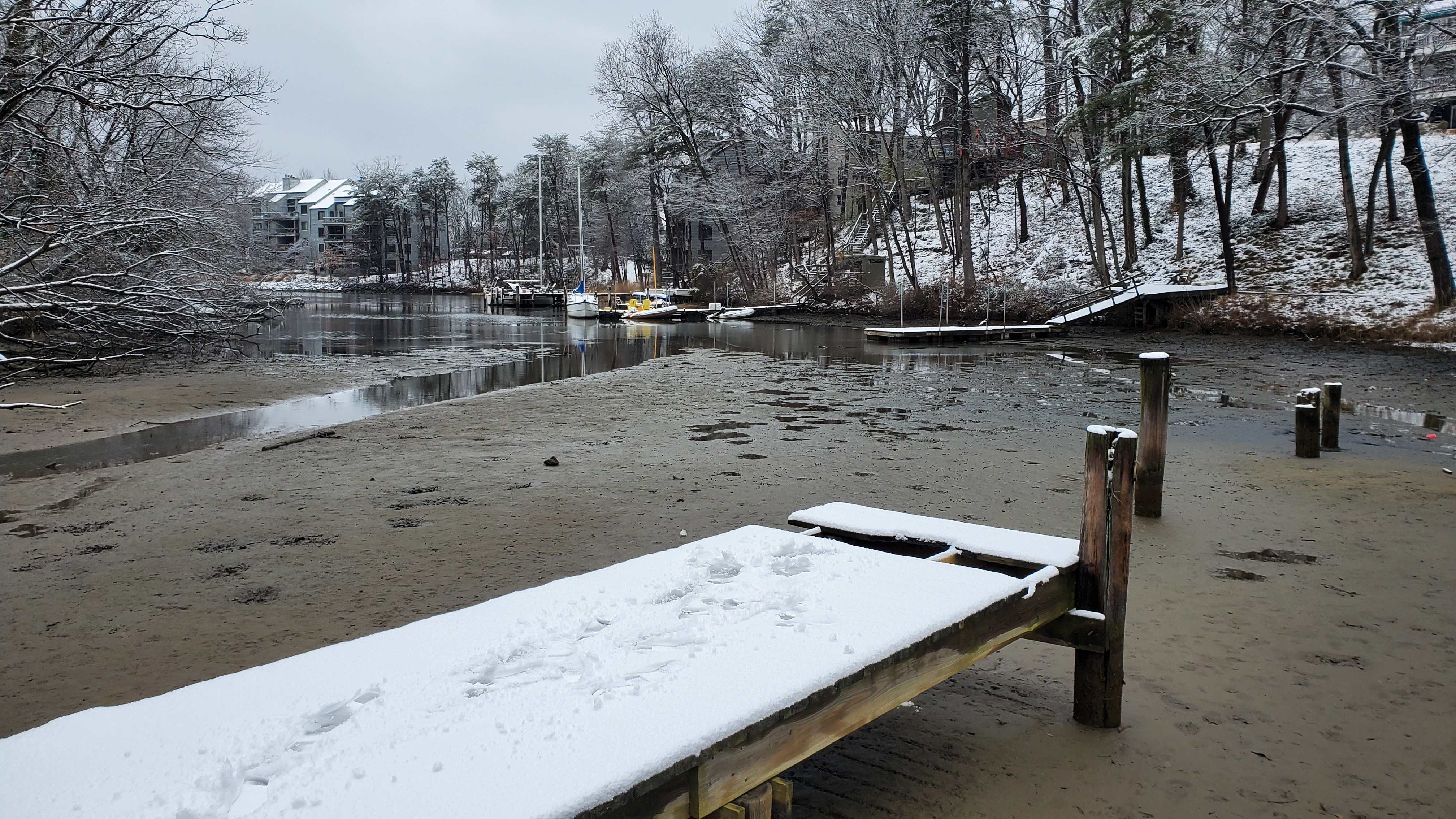
    • Urban Runoff Channels and “Black Mayonnaise”: Decades of unchecked stormwater runoff have carpeted urban creek beds with a thick, suffocating layer of fine, anaerobic silt locally referred to — NOT affectionately — as “black mayonnaise.” This sulfurous muck lacks structural integrity and is virtually devoid of oxygen, making natural seed anchoring nearly impossible. We’re testing whether modified substrates or tray planting can establish a foothold in these ecologically degraded urban creeks.
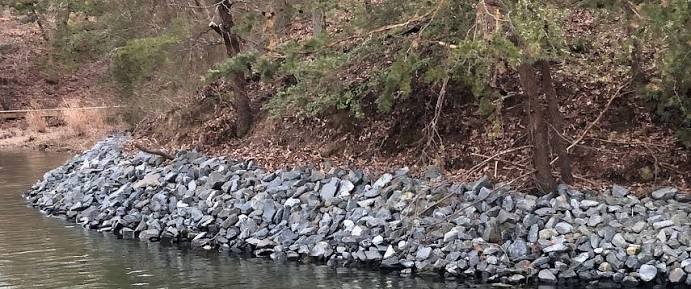
    • Rip-Rap Stabilization Slopes: Miles of Chesapeake shoreline have been armored with heavy, jagged rock rip-rap to halt erosion. While engineered stone stabilizes the bank, it creates harsh, high-energy wave refraction and eliminates natural intertidal transition zones. The team is evaluating techniques to introduce and anchor resilient SAV varieties directly along these armored rock slopes.

    Restoring native grasses in clean, sandy shallows is one thing; figuring out how to revive an urbanized mud flat or an armored creek wall is where true long-term resilience begins. We’ll continue reporting on germination data and field results as year two planting rolls forward.

  • AACC SAV study, year 1

    AACC SAV study, year 1

    In 2025, the Denker Foundation is excited to underwrite a multi-year longitudinal study — the first of its kind — to research best practices for the harvesting, processing and dissemination of submerged aquatic vegetation (SAV) in the Chesapeake Bay. This original research is being performed by the Environmental Center at Anne Arundel Community College.

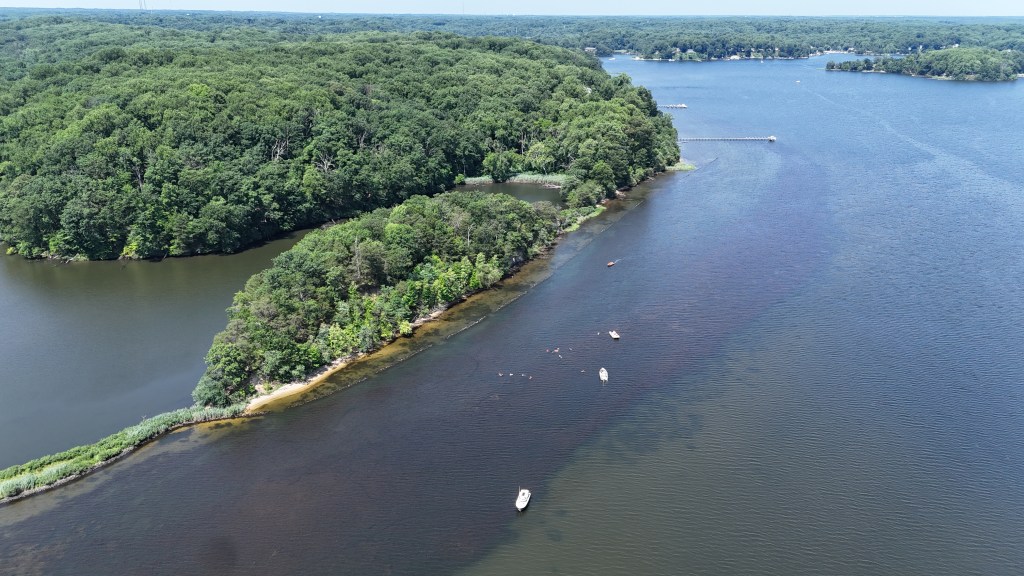
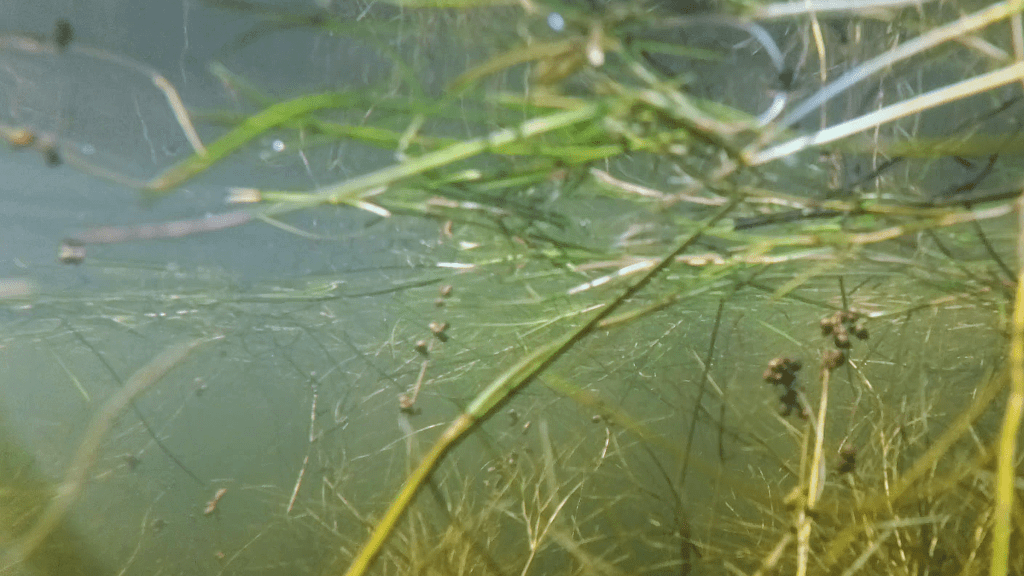
    SAV plays a keystone role in Chesapeake water quality, oxygenating the water, reducing CO2, filtering sediment, mitigating wave action and erosion and providing habitat for crabs and fish. For decades, research scientists at the Environmental Center have worked with the Maryland Department of Natural Resources and conservancies like the Arundel Rivers Federation to harvest seed from wild SAV and replant it the following year. In 2024, Maryland Public Television produced an award-winning episode about this Bay-wide activity: “Ribbons in the Tide.”

    No one, however, has done a scientific longitudinal study of best practices for this activity: where and what species to harvest, how to most efficiently process and store the seeds, and what conditions (e.g. depth, substrate, sunlight, wave action) make for ideal replanting sites. This study does that in four phases.

    Phase one establishes a baseline of conditions at proposed planting sites through weekly observations of water properties, sunlight, depth, soil and wave action prior to any intervention.

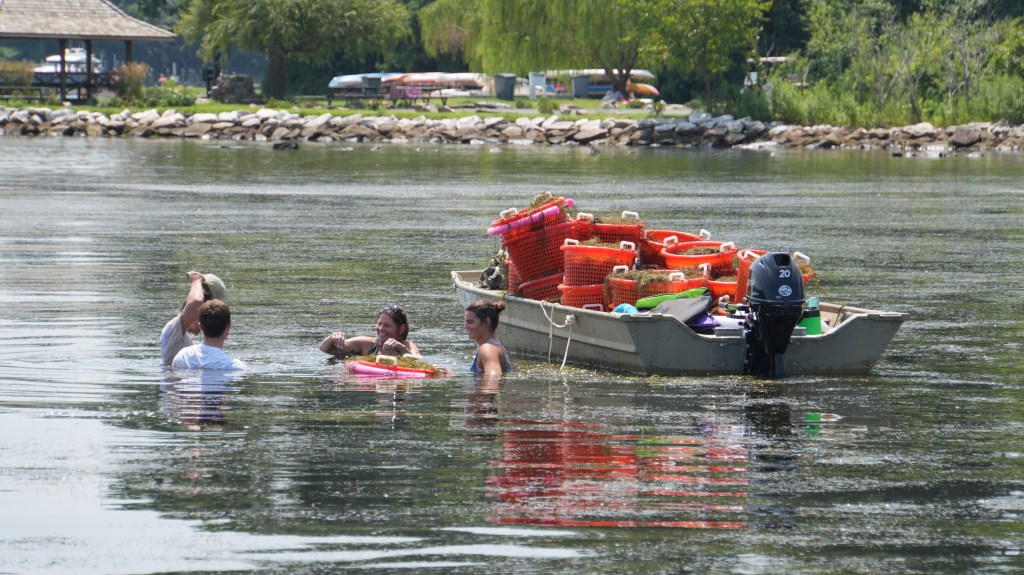
    Phase two is the seed harvest, which occurs each year at various times and locations based on the SAV species being collected. This multiparty event involves the participation of students, faculty, partner river conservancies and oversight by the DNR.

    Harvesting requires collecting plant matter with as much properly ripened seed as possible.

    Phase three is seed processing — a complex and labor-intensive procedure involving custom-engineered equipment developed over decades of experience. After a short decomposition stage, which weakens the bonds between the seeds and plant, everything is loaded into turbulators, which agitate the SAV to separate the seeds from most of the plant matter.

    But “most” isn’t enough; any plant material that remains mixed with the seeds can rot and spoil it. This necessitates further stages of sifting and cleaning.

    Once the seed is clean, it’s ready to be refrigerated and stored until phase four — planting — which will take place the following winter and spring.

    Check back for future posts on phase four and this ongoing multi-year project.

  • AACC Environmental Center

    AACC Environmental Center

    Since 1980, the Environmental Center at Anne Arundel Community College has supported AACC’s mission through applied research designed to address local environmental needs. Most community colleges don’t double as scientific research institutions — but the Environmental Center at AACC is a brilliant exception. The EC conducts vital applied research, monitors the health of our local waterways, and leads critical habitat restoration efforts.

    Students in the EC greenhouse

    The EC’s status enables it to engage in unique collaborations between students, sponsors, local organizations, governmental agencies and other universities to develop solutions to a variety of contemporary environmental problems, thus providing opportunities for a diverse population of AACC students to gain hands-on work experience.

    The EC supports the activities of Annapolis’s Spa Creek Conservancy and riverkeepers across the region, with water testing, environmental analysis, conservation research, expert testimony and much more. In recent years, the DF has been particularly proud to underwrite a multi-year study — the first of its kind — of best practices for the harvesting, processing and dissemination of submerged aquatic vegetation (SAV), underwater grasses of critical importance to the health of the Chesapeake Bay.