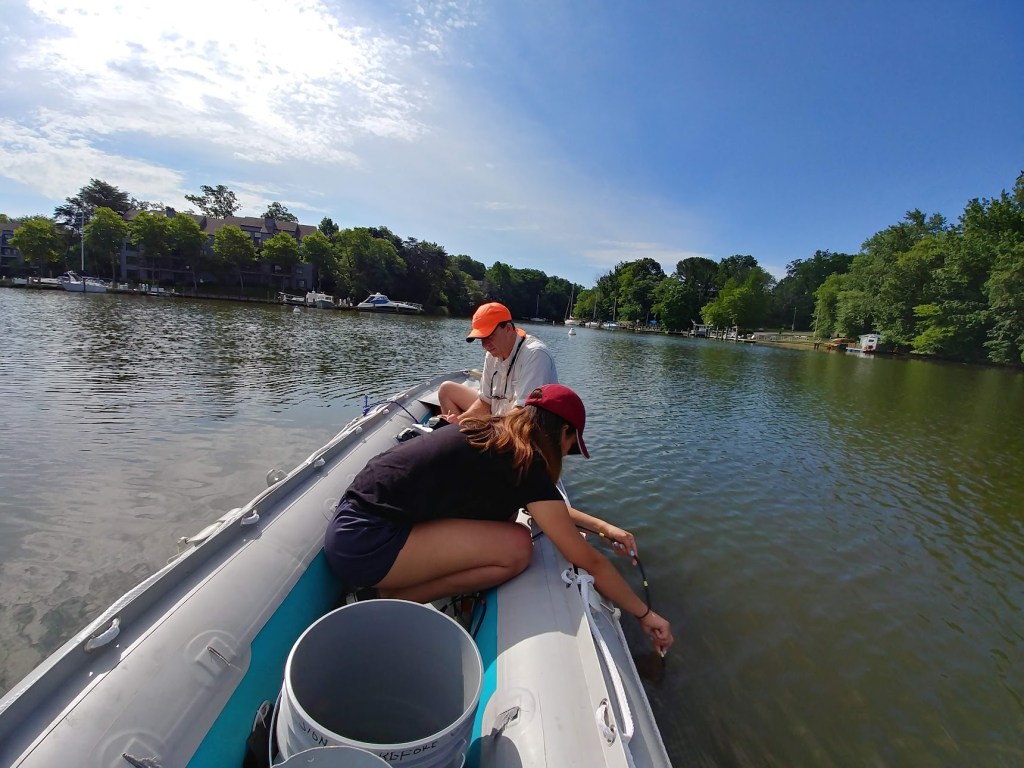
In 2025, the DF underwrote the launch of a multi-year study with the Environmental Center at Anne Arundel Community College to establish scientific best practices for restoring submerged aquatic vegetation (SAV) in the Chesapeake Bay. Year one set the baseline. Year two was about testing assumptions, refining mechanics, and deliberately pushing our research into tougher waters.
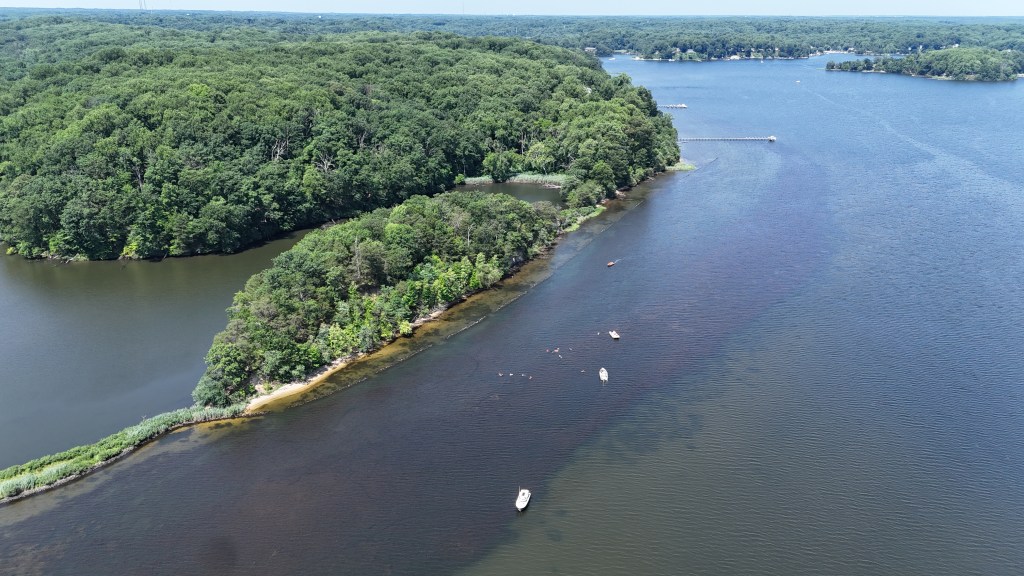
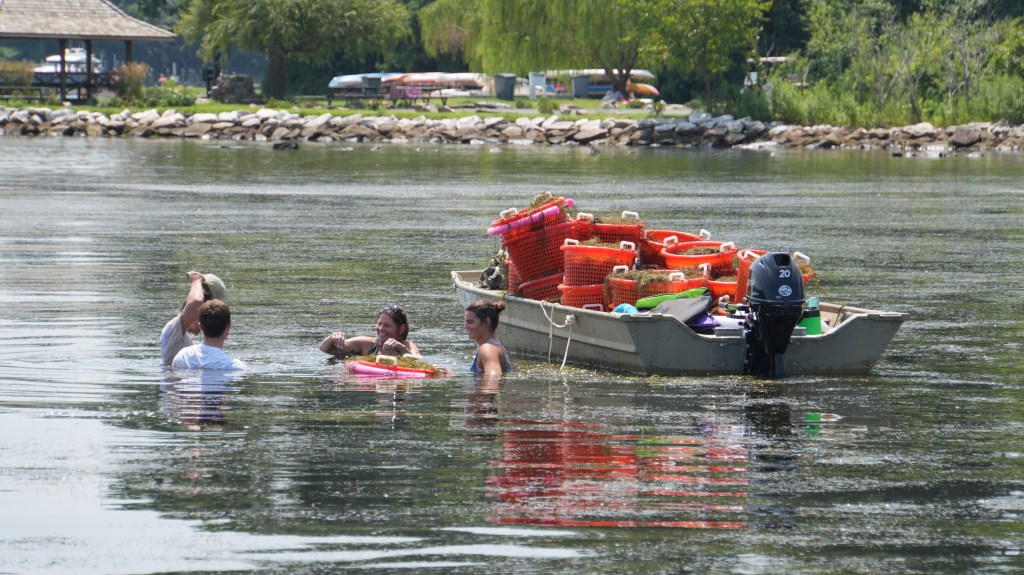
The project still runs on the same four-phase cycle: site analysis, harvesting, seed processing, and planting. But moving into the second year gave the research team the data and field experience needed to interrogate procedures that have historically relied on brute-force labor and educated guesswork.
Re-engineering the Jacuzzi
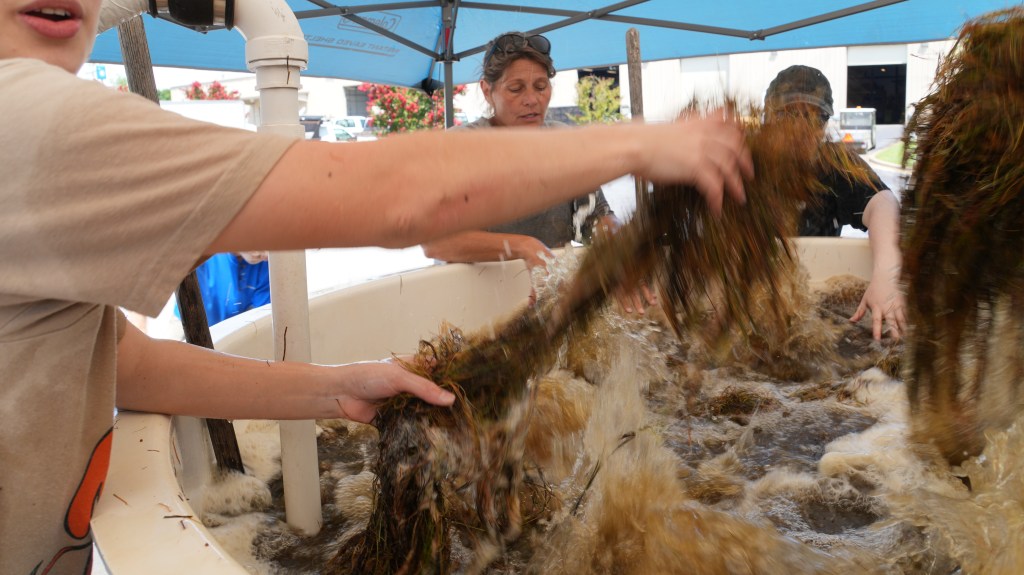
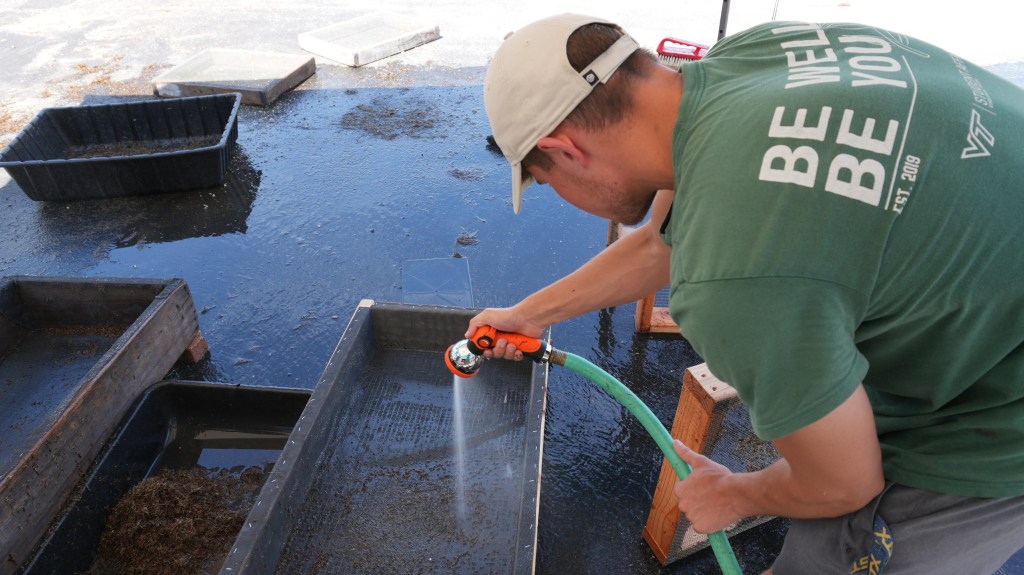
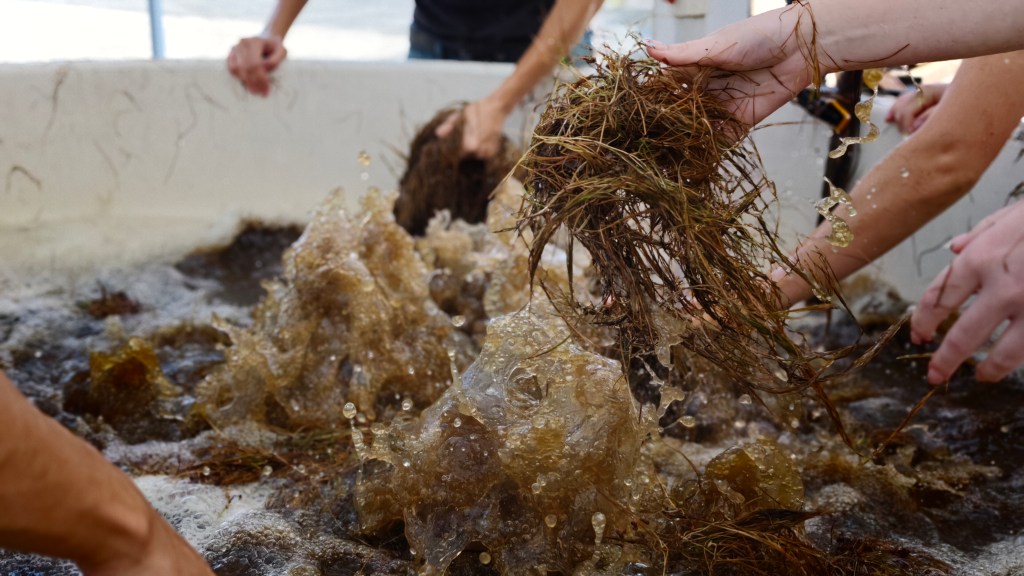
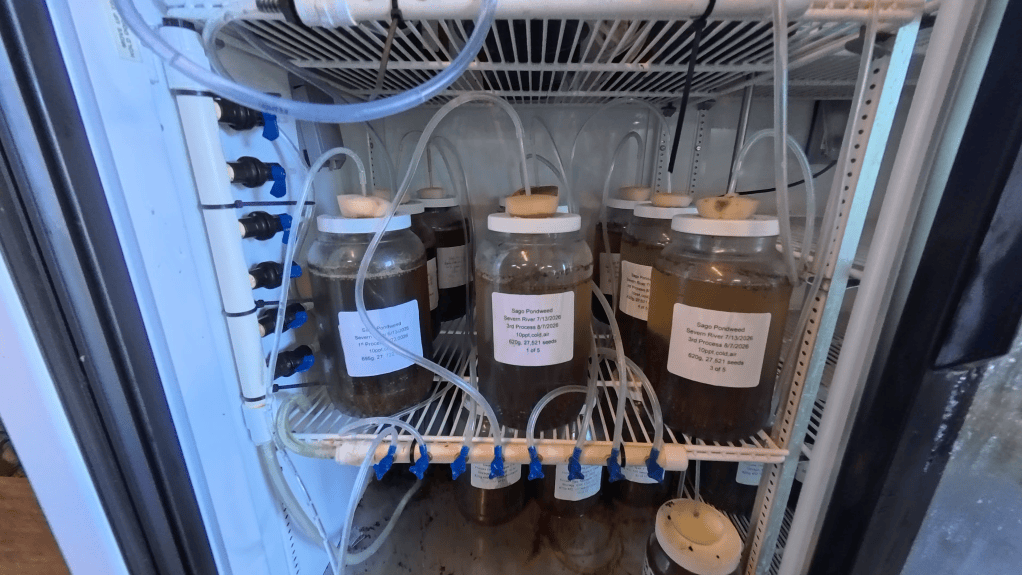
Phase three—seed processing—remains the most labor-intensive bottleneck in the restoration pipeline. After harvesting, plant matter must sit through a decomposition stage to weaken the physical bonds holding the seeds. From there, it goes into turbulators: custom-aerated tanks (affectionately called the SAV “jacuzzis”) that agitate the biomass to shake ripe seeds free from decaying stems and leaves.
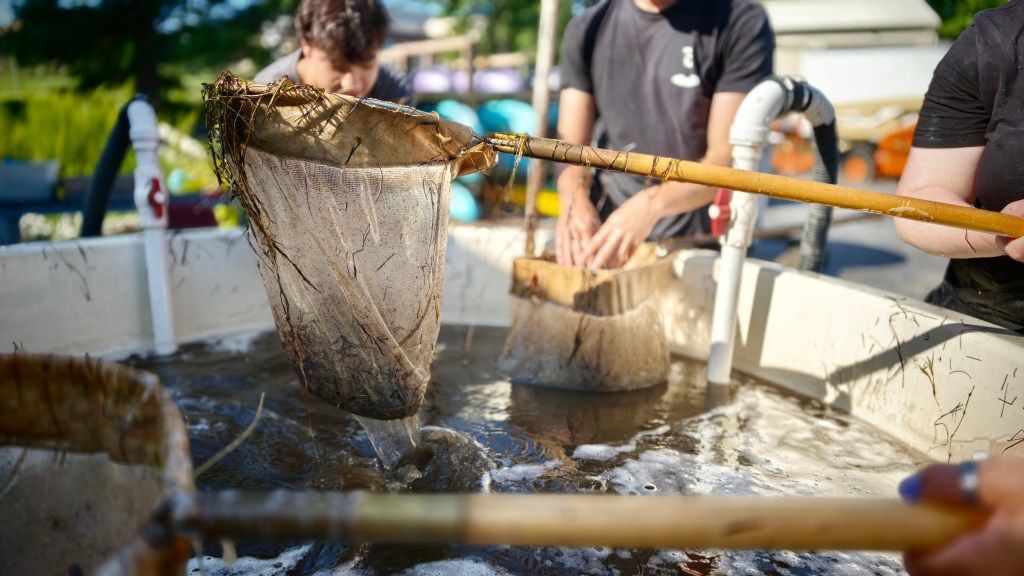
The problem has always been efficiency. Vegetative matter left behind can rot and ruin an entire batch in cold storage, which means running the SAV through multiple cycles of water and hand sifting.
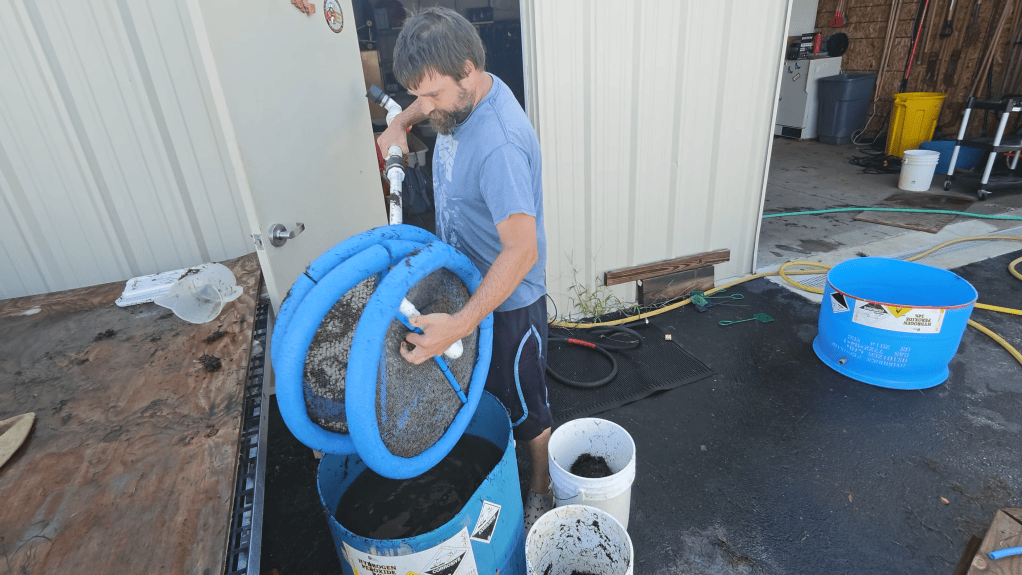
This year, EC Lab Manager Jason Burkholder began re-engineering the turbulation hardware. He’s redesigning the tanks’ fluid dynamics and separation mechanics to automate more of that sorting. The prototypes are still in the testing phase, but the early trials are promising: if the new design works as intended, it could cut processing time dramatically while saving substantial amounts of labor and water during the critical cleaning window.
From Broadcast Seeding to Nursery Trays
Planting (phase four) also saw a significant shift in thinking. For decades, the standard restoration technique has been traditional hand dispersion. Uptake rates are low.
To give SAV seeds a fighting chance, researchers are testing submerged and floating nursery trays containing lab-germinated seedlings. By allowing root systems to establish in a controlled setting before deployment, the trays shelter young shoots from wave scour and silt smothering, aiming for substantially higher survival rates once placed in the field.
Tackling “Black Mayonnaise” and Armored Shorelines
Site selection in year one focused primarily on establishing baseline conditions: water clarity, depth, sunlight, and wave energy in relatively cooperative shallows. But if SAV restoration is going to make a meaningful difference across heavily developed watersheds, it has to work where conditions are hostile.
In year two, the study expanded into some of the most ecologically degraded stretches of our local creeks:
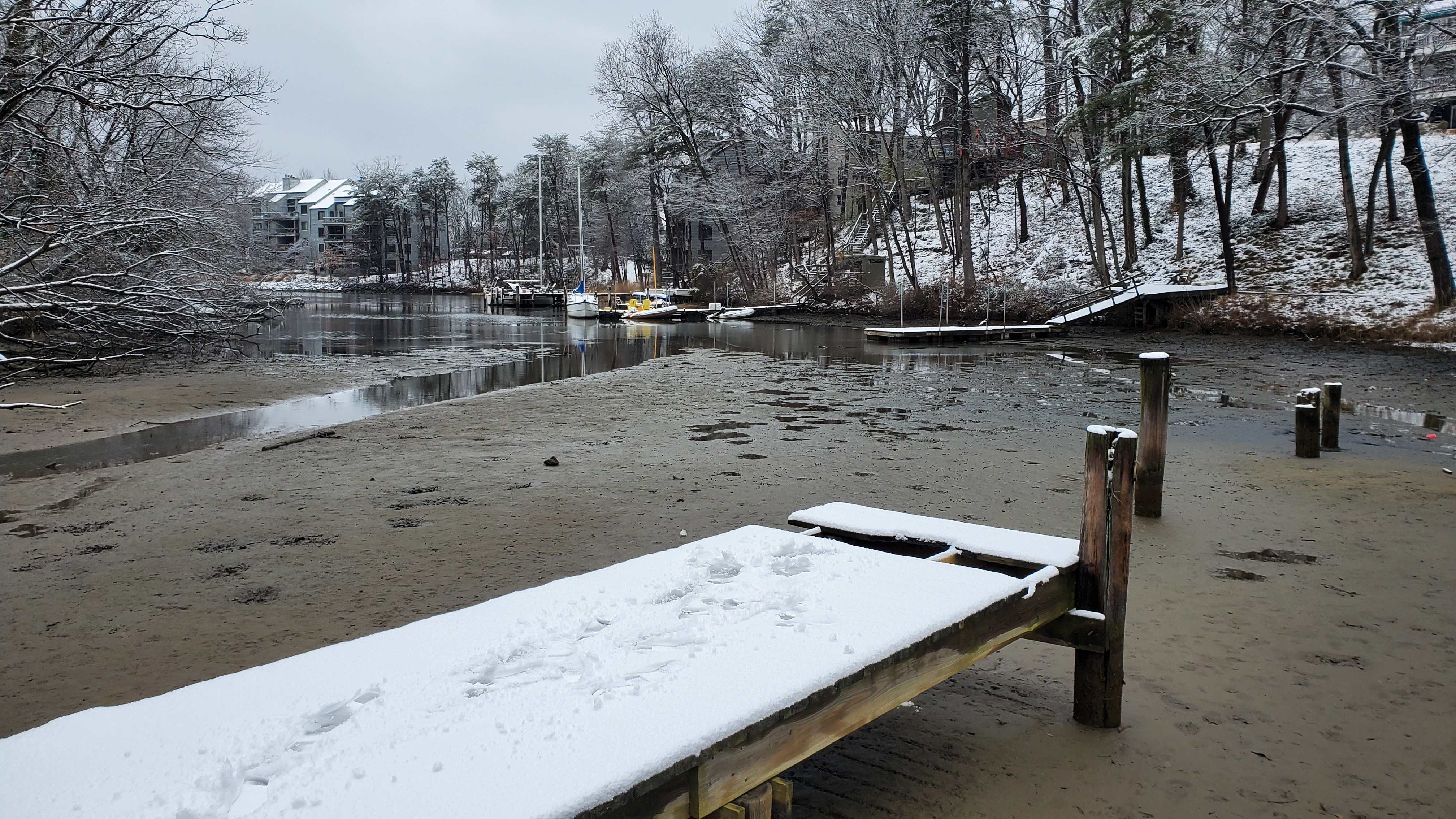
- Urban Runoff Channels and “Black Mayonnaise”: Decades of unchecked stormwater runoff have carpeted urban creek beds with a thick, suffocating layer of fine, anaerobic silt locally referred to — NOT affectionately — as “black mayonnaise.” This sulfurous muck lacks structural integrity and is virtually devoid of oxygen, making natural seed anchoring nearly impossible. We’re testing whether modified substrates or tray planting can establish a foothold in these ecologically degraded urban creeks.
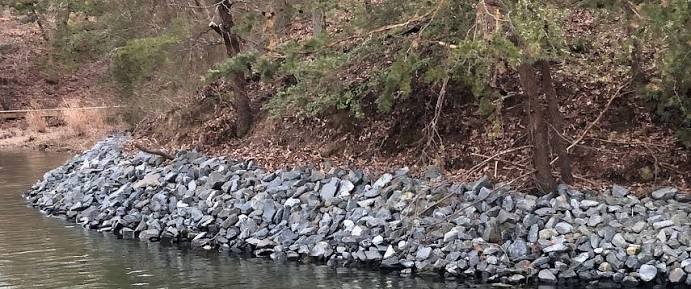
- Rip-Rap Stabilization Slopes: Miles of Chesapeake shoreline have been armored with heavy, jagged rock rip-rap to halt erosion. While engineered stone stabilizes the bank, it creates harsh, high-energy wave refraction and eliminates natural intertidal transition zones. The team is evaluating techniques to introduce and anchor resilient SAV varieties directly along these armored rock slopes.
Restoring native grasses in clean, sandy shallows is one thing; figuring out how to revive an urbanized mud flat or an armored creek wall is where true long-term resilience begins. We’ll continue reporting on germination data and field results as year two planting rolls forward.