Tag: transit

  • CSC 2026: Kansas City

    CSC 2026: Kansas City

    After our immensely instructive experience at the 2025 conference of the Community Streetcar Coalition, we’re back! As planned, the Resilience Authority posted a request for proposals (RFP) from transit engineering firms to perform a streetcar feasibility study. We sent a small delegation to CSC this year with that RFP in hand.

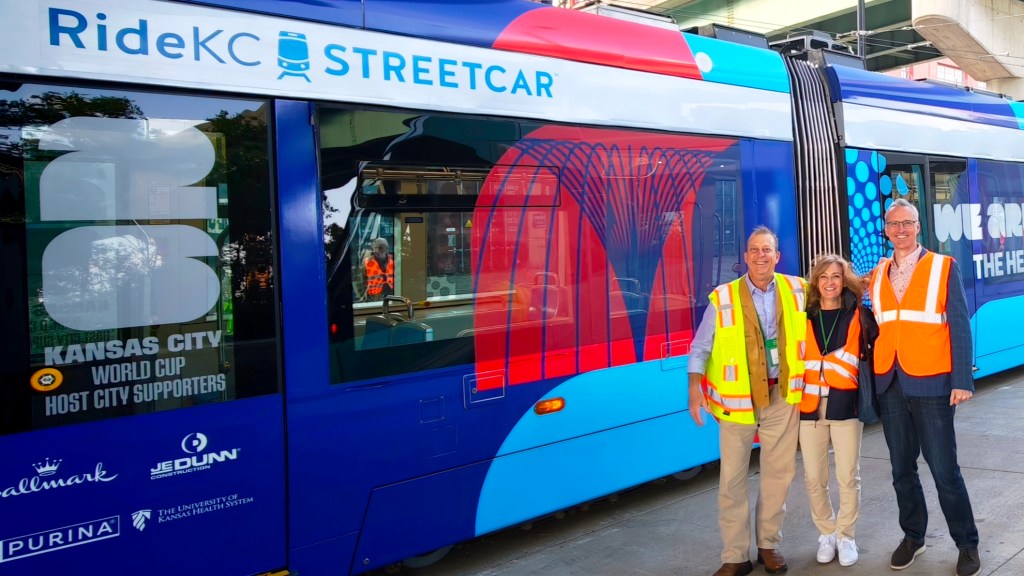
    Like last year, we were impressed with what a powerful tool for urban (re)development an urban streetcar system can be. The success stories we learned about in cities like Kansas City, Tampa and Omaha were inspirational. Kansas City is presently the national “poster child” for urban streetcars; it’s an immensely popular and profitable free-fare system — that has nearly tripled in length since its first segment in 2016.
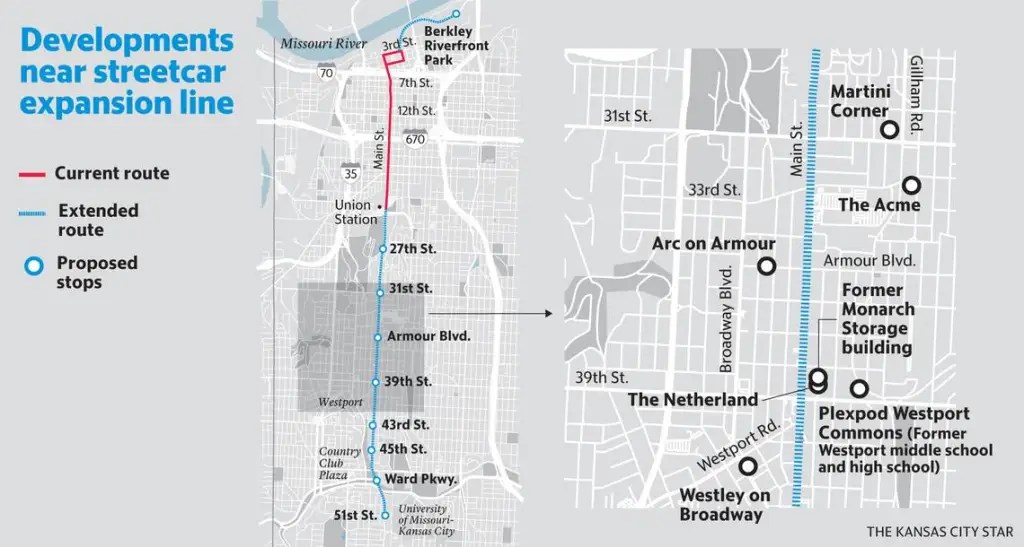
    What’s more, city officials repeatedly emphasized how the KC Streetcar has profoundly re-energized development in the city. The tired old catchphrase “Good enough for KC” is gone, and projects like the waterfront development that were dismissed a dozen years ago as too ambitious are now actively underway.

    One key lesson this year was this:

    Streetcars aren’t transit. They’re urban development.

    That’s an oversimplification, obviously! Of course streetcars are a mode of public transit. The point is that it’s misleading to think of them only in that light. They’re not high-volume like subways or inexpensive like buses. They’re not intended to move the most people in the fastest way for the lowest cost; that’s not what they’re for.

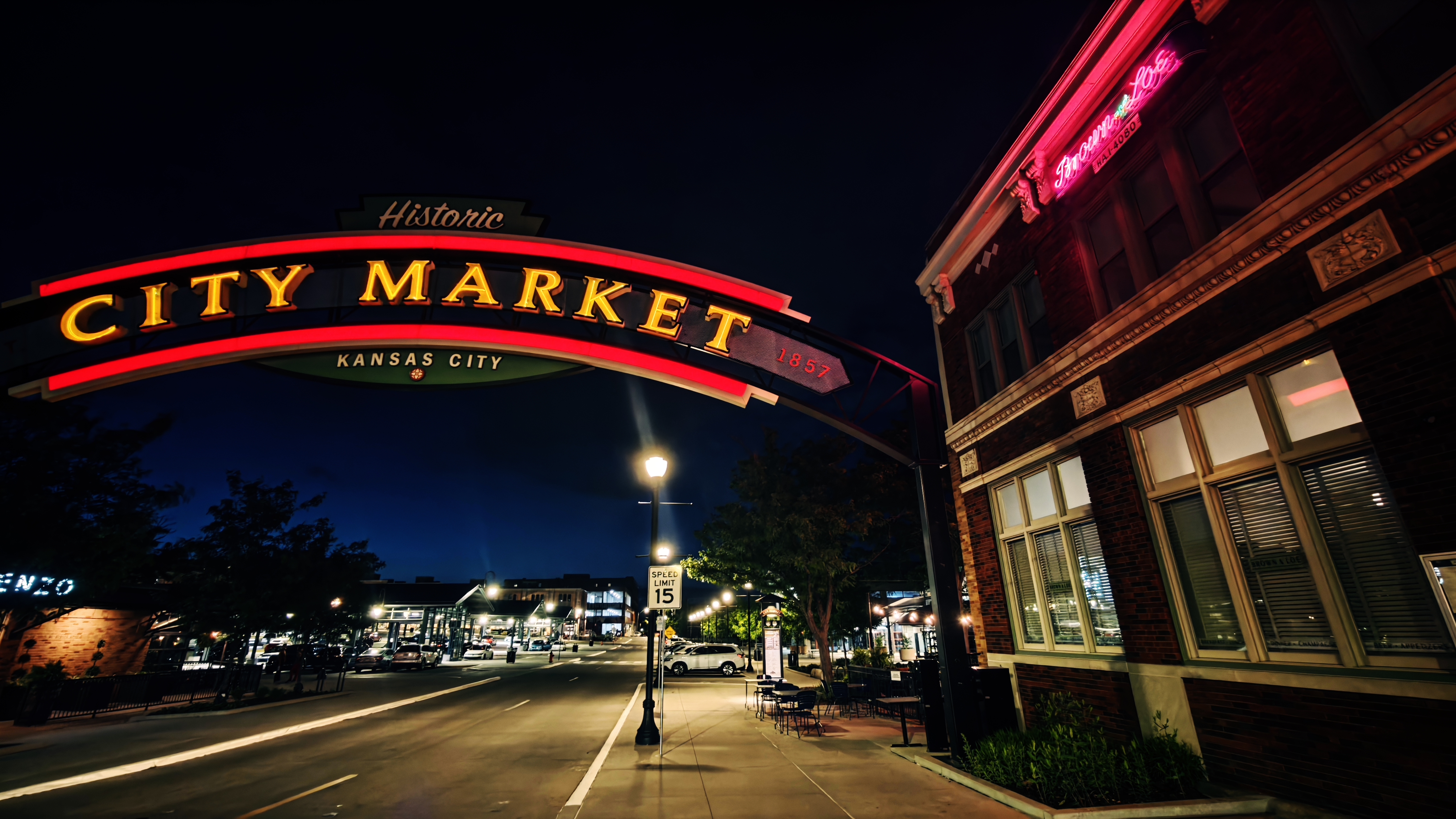
    What they ARE for is to make it cheaper, easier and more fun for residents and tourists to get around an urban environment. That’s what streetcars excel at — much more so than buses, and for a fraction of the cost of a subway. That’s what sends retail foot traffic skyrocketing and attracts developers to invest in new construction. That’s why so many cities are turning to streetcar systems to convert surface parking lots, brownfields and underdeveloped or vacant properties into vibrant, revenue-generating neighborhoods. Kansas City is a textbook example: the KC Streetcar turned neighborhood after neighborhood, from City Market to Union Station to The Plaza, from struggling to flourishing.
    Responses to the RFP are already coming in. Stay tuned!
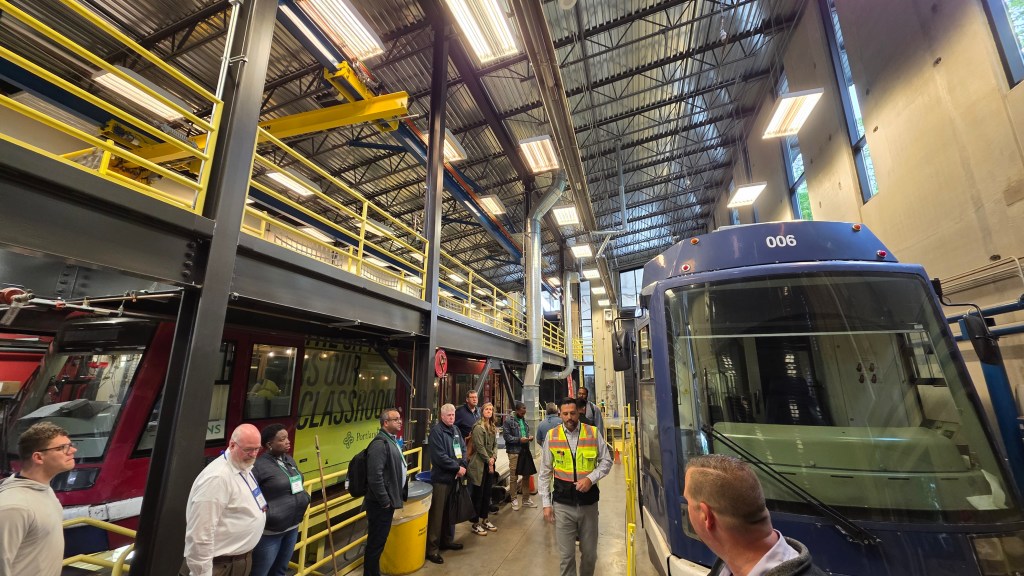
  • CSC 2025: Portland

    CSC 2025: Portland

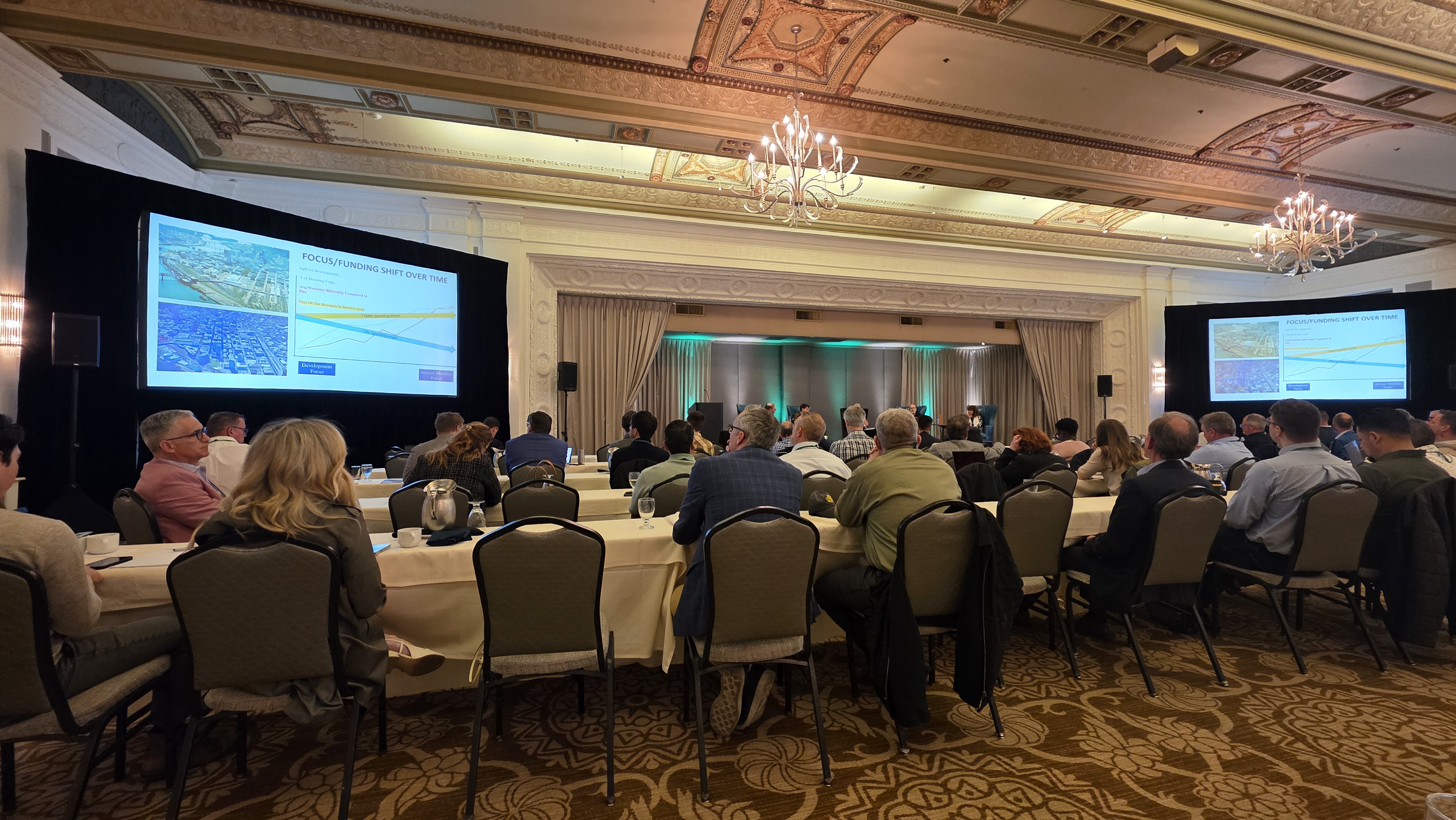
    Our inquiry into the possibility of a streetcar for Annapolis is picking up steam. Building on an extensive research project that began in 2024, the DF, in April 2025, led a delegation from Annapolis and Anne Arundel County to Portland for the annual summit of the Community Streetcar Coalition — a non-profit coalition that, for more than 20 years, has been supporting municipalities that have or are interested in building a downtown streetcar system. Our delegation (funded by a DF grant and costing taxpayers nothing) had representatives from the city and county councils, the offices of the Mayor and County Executive, Annapolis and County Transit, the Resilience Authority, the Annapolis business community and the tourism bureau. That’s a lot of folks wanting to learn about how streetcars promote sustainable urban development!

    And learn? Did we ever. The 2025 streetcar summit was a firehose of information provided by transit engineers, policymakers, builders, regulators and 20 different cities, large and small, that have streetcar systems currently in operation. We learned about:

    • planning and zoning to make the most of a streetcar system
    • designing your transit system to feed a streetcar
    • engineering, route planning and design
    • maintenance, scheduling and safety
    • different models for system governance
    • fare vs. fare-free (“open-platform”) systems
    • funding instruments like TIFs (Tax Increment Financing) and TDDs (Transportation Development Districts)
    • the pros and cons of federal funding
    • And so much more!

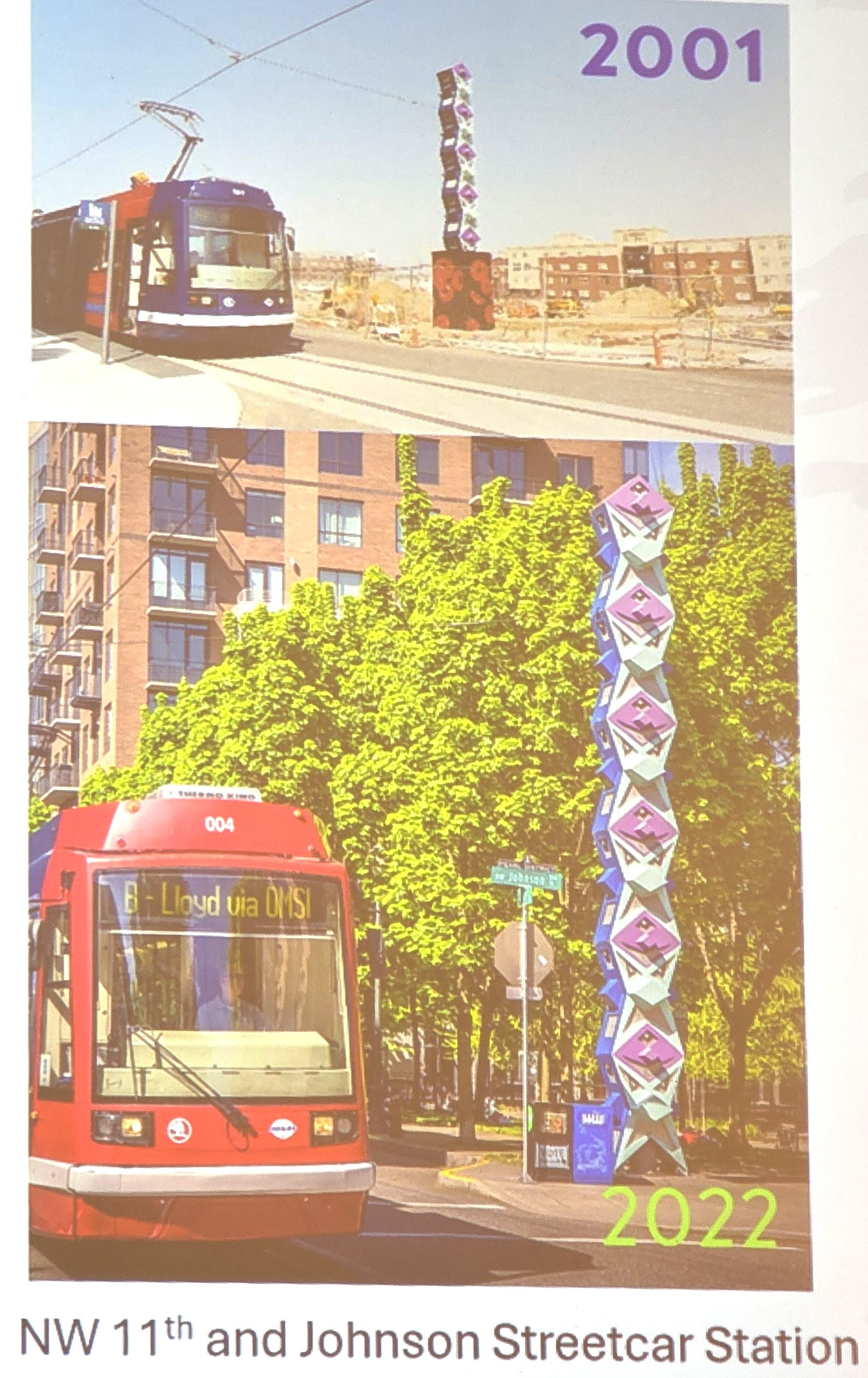
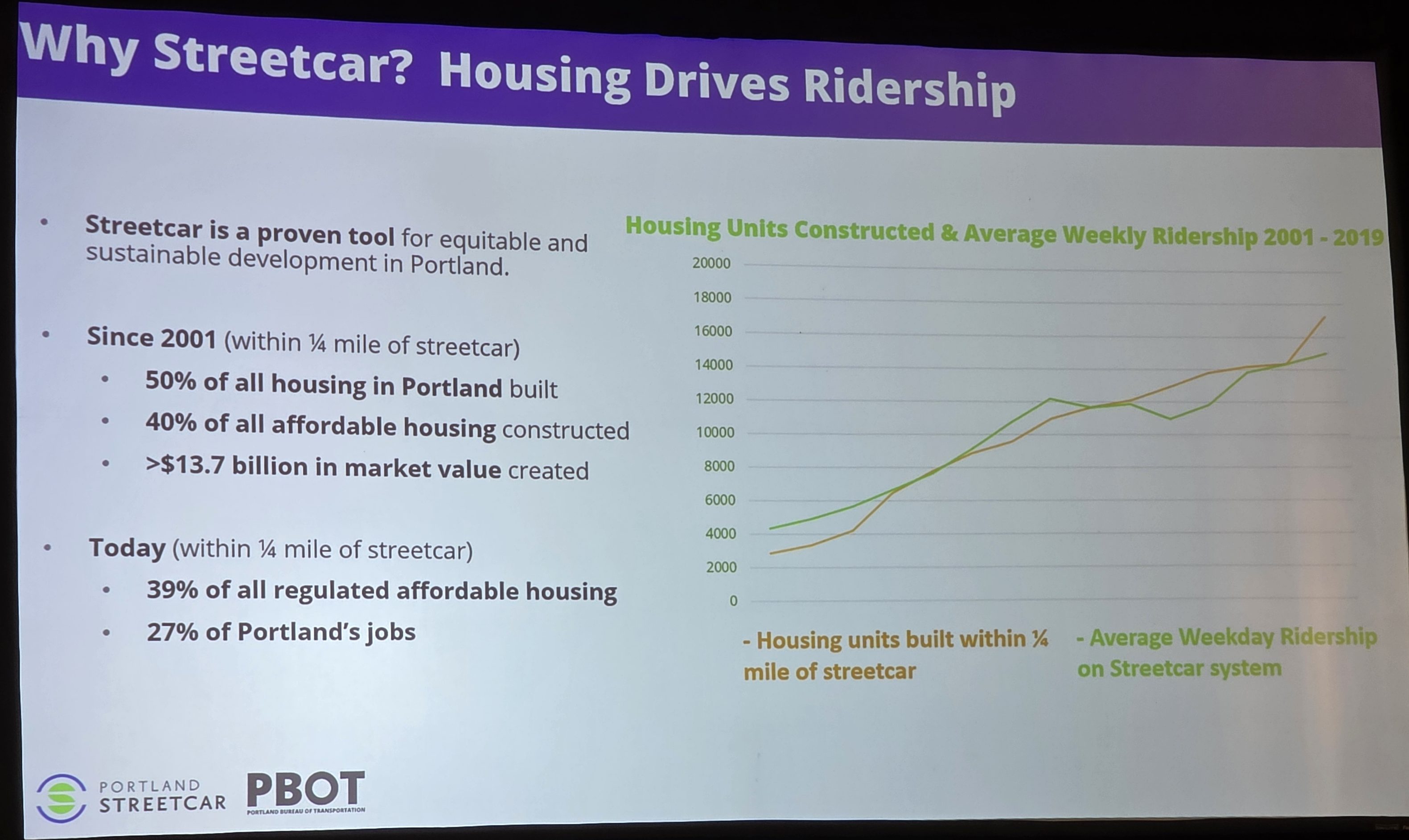
    But the #1 takeaway from this conference for our delegation was that these things WORK — their capacity to stimulate sustainable urban (re)development is tremendous. City after city showed how their streetcar turned surface parking lots and underdeveloped commercial areas — or in many cases, industrial brownfields — into vibrant, healthy, tax-revenue-generating neighborhoods.

    It’s not magic. We heard a dozen cautions and caveats: your community needs to have adequate size and density; it needs to have done its planning and zoning homework; construction and funding are challenges that must be met. But there’s a reason that more than two dozen American cities have (re)built these systems over the past 30-odd years: they work. They’re possibly the single most powerful tool at a city’s disposal to spur smart, intentional, sustainable development. And they address a raft of city challenges all at once: they improve traffic and parking problems, they’re environmentally friendly, they help fix affordable housing problems and they generate significant new municipal revenue. They’re expensive, but they generate a commensurately high return, both in literal revenue and in incidental benefits like housing.

    Is a streetcar right for Annapolis? We don’t know, of course! That’s the point. At CSC 2025, we learned just how much more we need to learn. But everyone in the delegation came away from the conference knowing one thing: we’re not crazy for looking into this. Considering how positive its impact on the city could be — and the crucial role it would play in linking a Chesapeake ferry at our brand-new City Dock to new express BRT from Parole to Washington — we’d be crazy not to.

    To that end, the delegation agreed that our next step is to commission a feasibility study from a transit engineering firm to research the physical possibility and financial practicality of this concept. The Resilience Authority, in consultation with city, county and MDOT officials, will prepare the RFP for the study. And to continue insuring that this inquiry comes at minimal cost to taxpayers, the DF has formally pledged to fund a substantial portion of this study, should it come to pass.

    Stay tuned!

  • A trolley for Annapolis?

    A trolley for Annapolis?

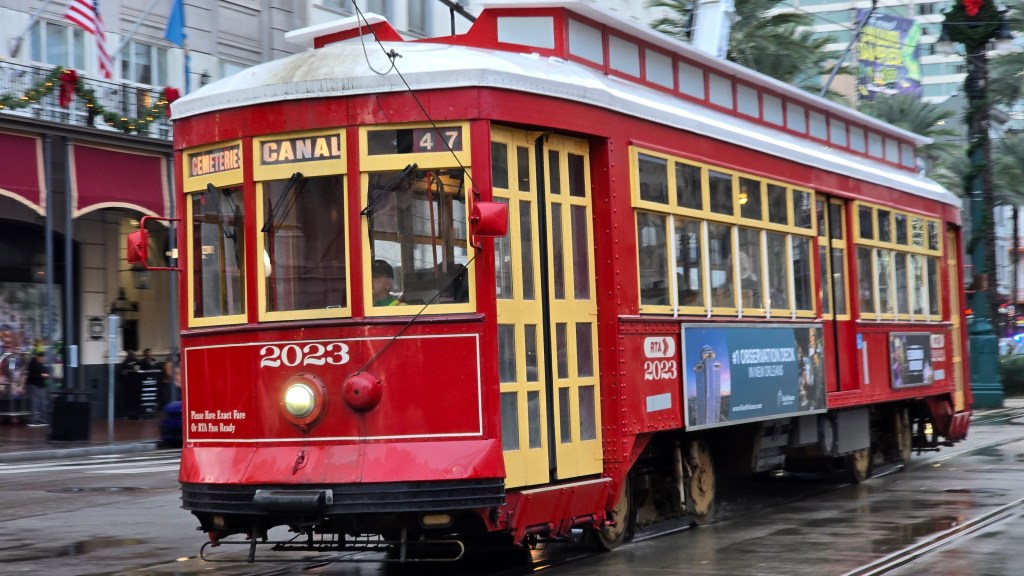
    In the wake of two sustainability study missions, the DF in late 2024 undertook a research project to help investigate the possibility of a trolley (aka streetcar) for Annapolis. Visiting some dozen streetcar systems and museums across the eastern US, the DF met with system operators, technicians and executive directors and in 2025 delivered its initial report.

    Since then, the DF has helped organize an informal working group to further investigate the feasibility of a trolley for Annapolis. The trolley workgroup is comprised of civic groups and government agencies that would be most directly impacted. The workgroup’s efforts uncovered a 2009 transit feasibility study expressly calling for future consideration of streetcar service in Annapolis.

    Is that future now?

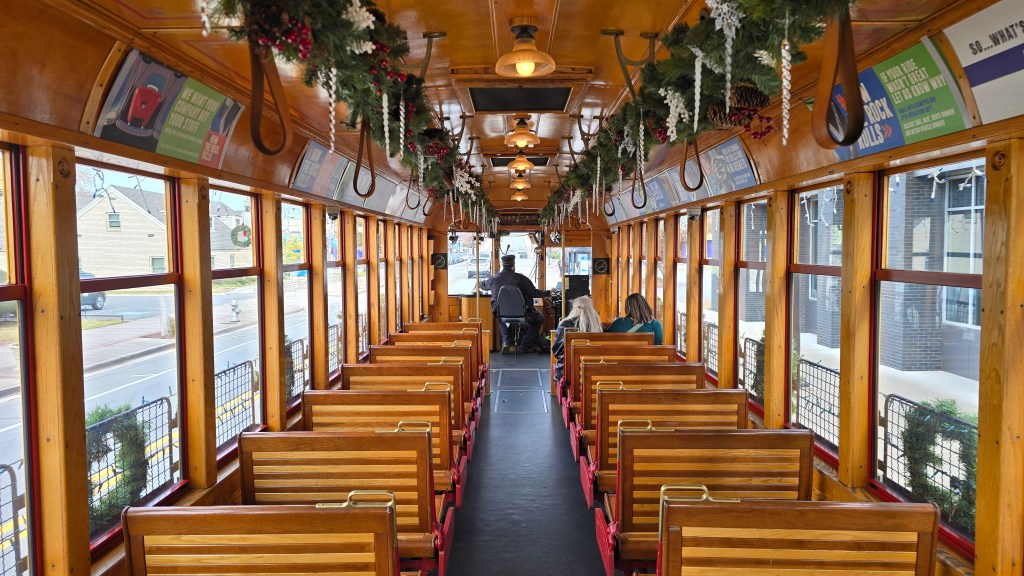
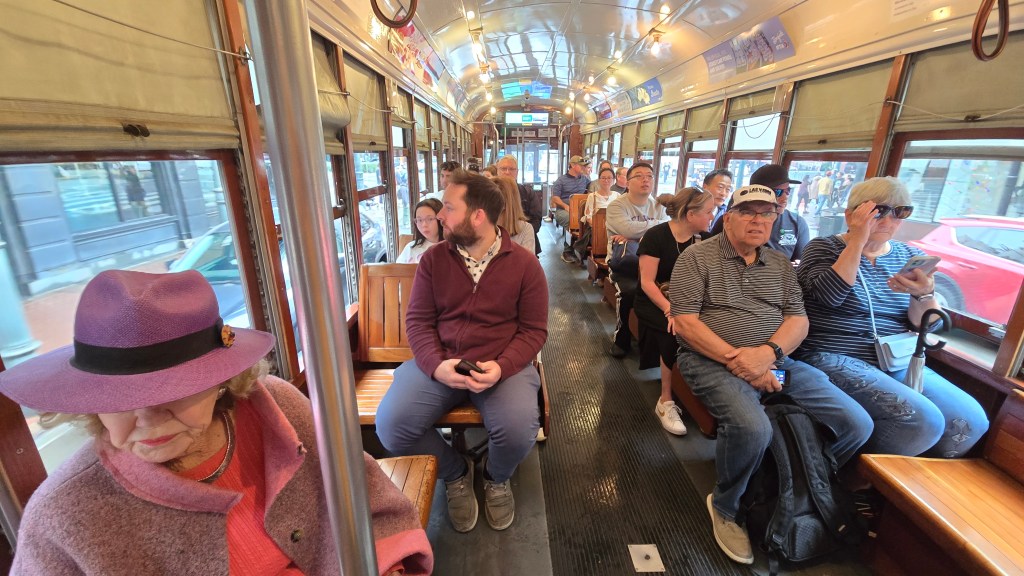
    It might be. In the past 20 years, scores of US cities have re-installed streetcar systems to support downtown revitalization, improve pedestrian safety, facilitate sustainable transit and relieve traffic congestion. Historic or vintage streetcars in particular tend to be popular. By and large, the reintroduction of streetcar systems in the US has been a success, combating the siloed communities spawned by urban sprawl with a high-interaction community model that hearkens back to the small towns of 1940s America. But it remains to be seen whether a streetcar system would be a practical, desirable and cost-effective transit solution for a small city like Annapolis.

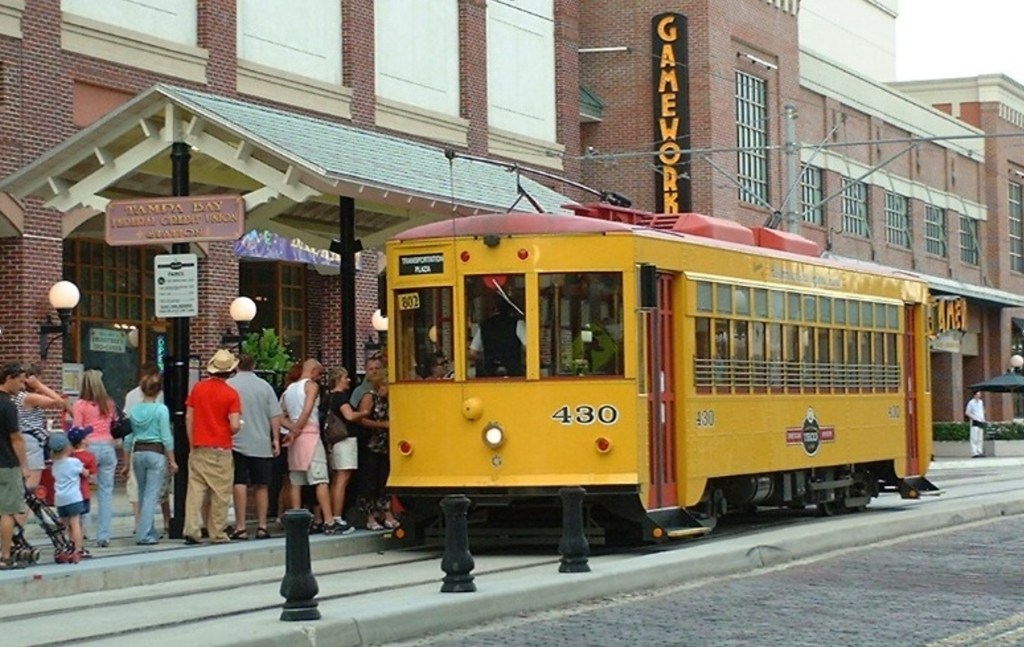
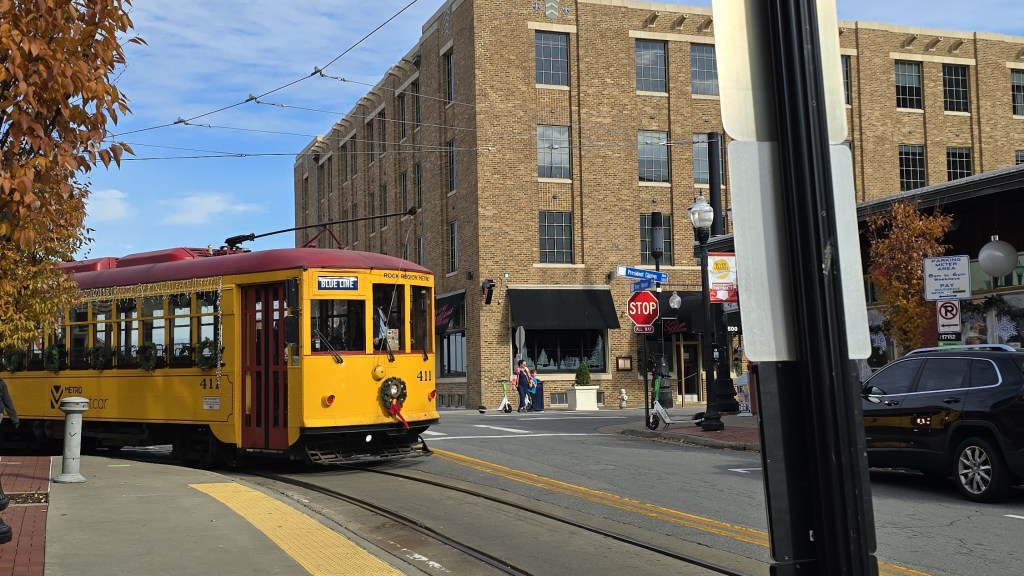
    Other small cities, like Little Rock and Kenosha, have successful historic streetcar systems. And there are larger cities, like Dallas and Tampa, that have small vintage streetcar systems (less than 5mi) that are immensely popular. While Annapolis proper is a small city, it has high-density suburbs, is the seat of state government and has unusually high tourist traffic owing to its many historical attractions. And there have been dramatic infrastructure developments both downtown and in the suburbs since the 2009 study.

    Annapolis could be a candidate. The DF will continue to partner with the trolley workgroup to help determine if a formal transit feasibility study is warranted. In the meantime, it’s inspiring to imagine the positive impact something like this might have: