Tag: Annapolis

  • Sweden follow-up: RA report

    Sweden follow-up: RA report

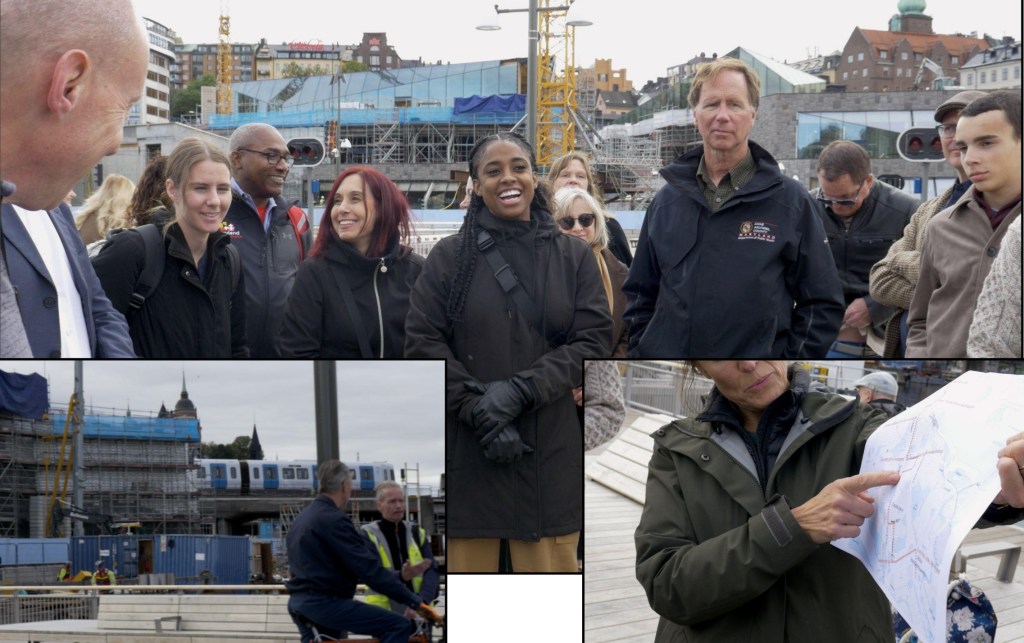
    In February 2025, The Resilience Authority of Annapolis and Anne Arundel County delivered its final report on the 2024 Climate Change and Sustainability Tour to Sweden. Discussing why we went, the report notes Sweden’s:

    • electric mass transit and electric ferry technology,
    • bike-friendly cities and integrated mobility,
    • climate-smart urban planning,
    • ethos of retrofitting and repurposing,
    • community engagement in infrastructure projects,
    • closed-loop resource systems to minimize waste and promote reuse, and
    • policy frameworks that incentivize investment in green technologies, sustainable practices, and responsible land use.

    Better still, the RA has followed up on a number of examples of ways in which delegation members have already implemented lessons learned in Sweden, including:

    • Based on Sweden’s approach to sustainable and multimodal transit, Annapolis is taking steps to enhance its system with the deployment of two electric buses, launch of a local-area electric ferry, the potential feasibility of streetcar service and “car-free” days downtown
    • The RA incorporated lessons from Stockholm Royal Seaport into two EPA Challenge Grant Applications: Glen Burnie Town Center Redevelopment and the City of Annapolis’ Redevelopment and Connectivity Initiatives.
    • The RA is working with the Stockholm Environment Institute to develop a computerized modeling tool for that integrates emissions data, simulated responses and economic analysis to aid in project planning in Anne Arundel County.
    • Inspired by Stockholm Royal Seaport’s zero-waste principles, the RA is working with research and private-sector partners to incorporate “zero-waste” solutions and soil amendments for stormwater management, carbon sequestration and ecosystem restoration.

    The full report is available here.
  • A trolley for Annapolis?

    A trolley for Annapolis?

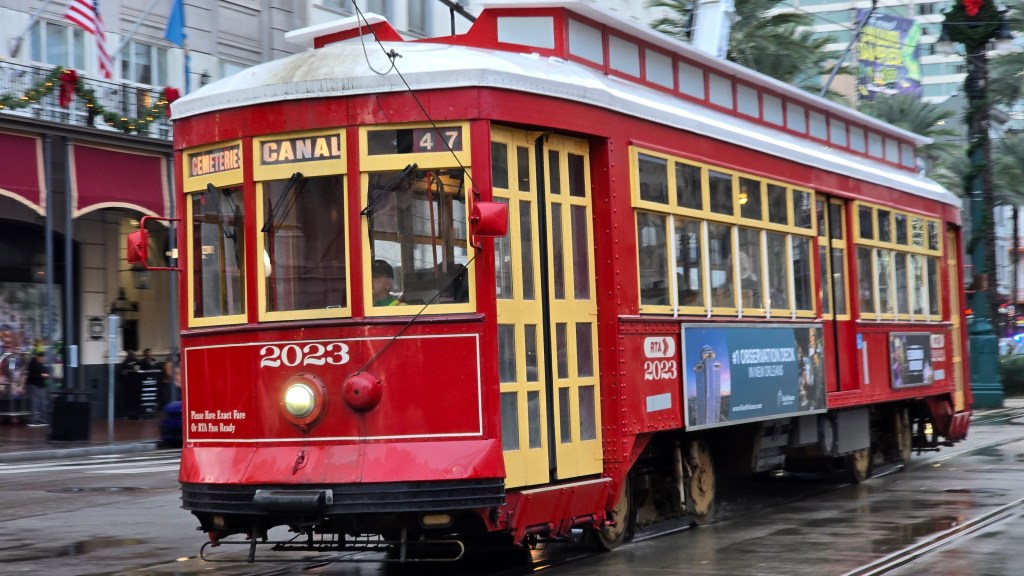
    In the wake of two sustainability study missions, the DF in late 2024 undertook a research project to help investigate the possibility of a trolley (aka streetcar) for Annapolis. Visiting some dozen streetcar systems and museums across the eastern US, the DF met with system operators, technicians and executive directors and in 2025 delivered its initial report.

    Since then, the DF has helped organize an informal working group to further investigate the feasibility of a trolley for Annapolis. The trolley workgroup is comprised of civic groups and government agencies that would be most directly impacted. The workgroup’s efforts uncovered a 2009 transit feasibility study expressly calling for future consideration of streetcar service in Annapolis.

    Is that future now?

    It might be. In the past 20 years, scores of US cities have re-installed streetcar systems to support downtown revitalization, improve pedestrian safety, facilitate sustainable transit and relieve traffic congestion. Historic or vintage streetcars in particular tend to be popular. By and large, the reintroduction of streetcar systems in the US has been a success, combating the siloed communities spawned by urban sprawl with a high-interaction community model that hearkens back to the small towns of 1940s America. But it remains to be seen whether a streetcar system would be a practical, desirable and cost-effective transit solution for a small city like Annapolis.

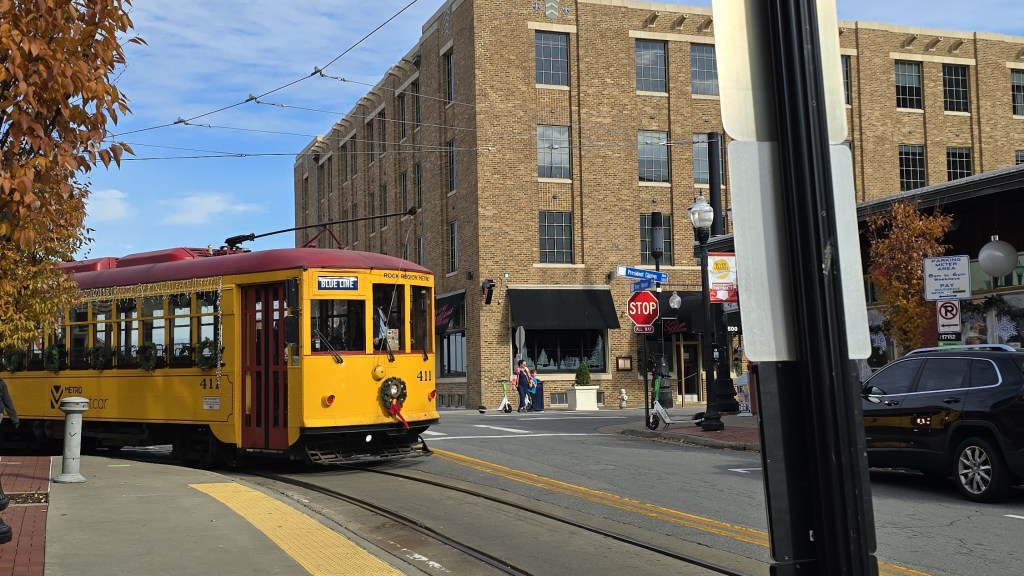
    Other small cities, like Little Rock and Kenosha, have successful historic streetcar systems. And there are larger cities, like Dallas and Tampa, that have small vintage streetcar systems (less than 5mi) that are immensely popular. While Annapolis proper is a small city, it has high-density suburbs, is the seat of state government and has unusually high tourist traffic owing to its many historical attractions. And there have been dramatic infrastructure developments both downtown and in the suburbs since the 2009 study.

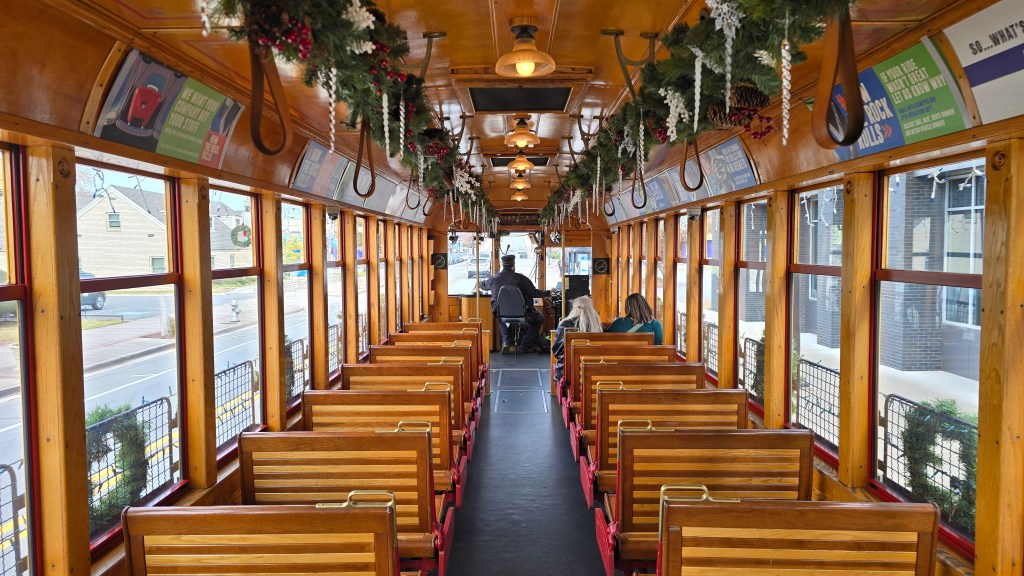
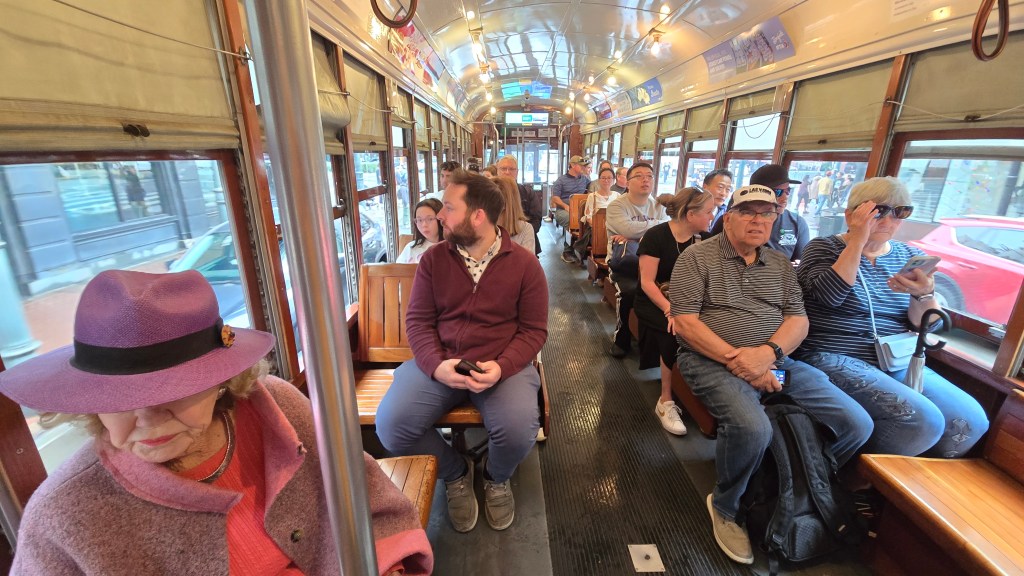
    Annapolis could be a candidate. The DF will continue to partner with the trolley workgroup to help determine if a formal transit feasibility study is warranted. In the meantime, it’s inspiring to imagine the positive impact something like this might have:

  • Water testing

    Water testing

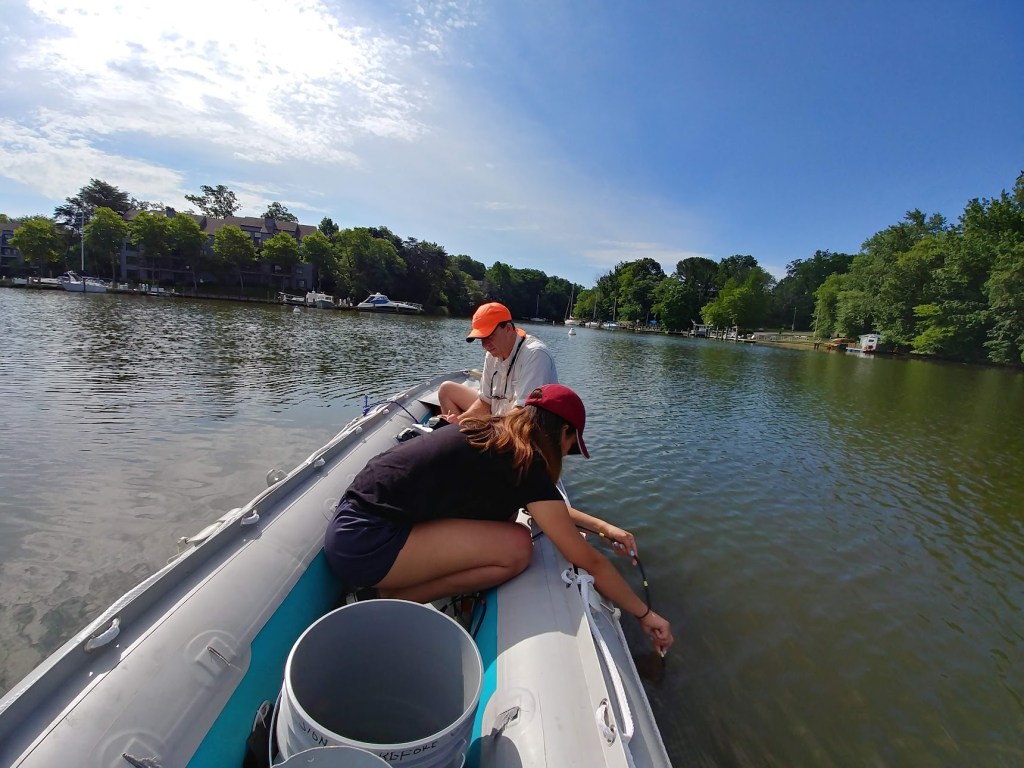
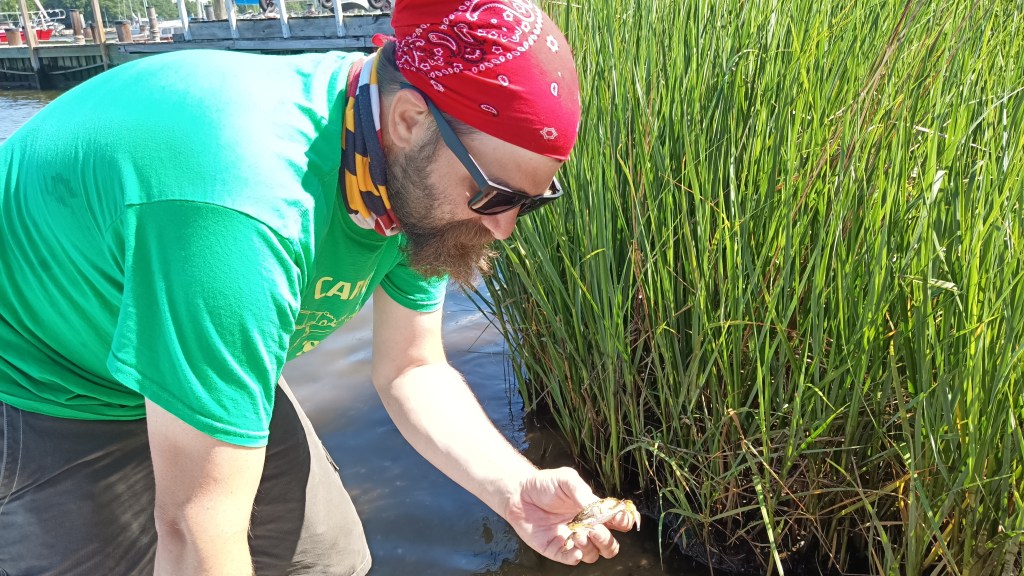
    The Denker Foundation began working with the Spa Creek Conservancy in 2019. The DF supports SCC by both grants and volunteer work, assisting marine biologists from Anne Arundel Community College to gather and test water samples on Annapolis’ Spa and Back Creeks every year. Water sampling involves measuring water temperature, salinity, suspended solids, pH, dissolved oxygen, and bacteria levels. Suspended solids, for example, indicate how far sunlight can penetrate into water, thereby permitting the growth of submerged aquatic vegetation (SAV). Oxygen indicates the presence of SAV and is crucial for sustaining aquatic life. Bacteria levels determine whether water is safe to swim in.

    Conservancies and riverkeepers all around the Chesapeake have been taking water samples to monitor Chesapeake Bay water health for many years. SCC has been water testing on Spa Creek for many years. Water samples are processed in the Marine laboratory at AACC and results are published to the general public.

    The DF supports Spa Creek Conservancy in other ways. For more information, click here.